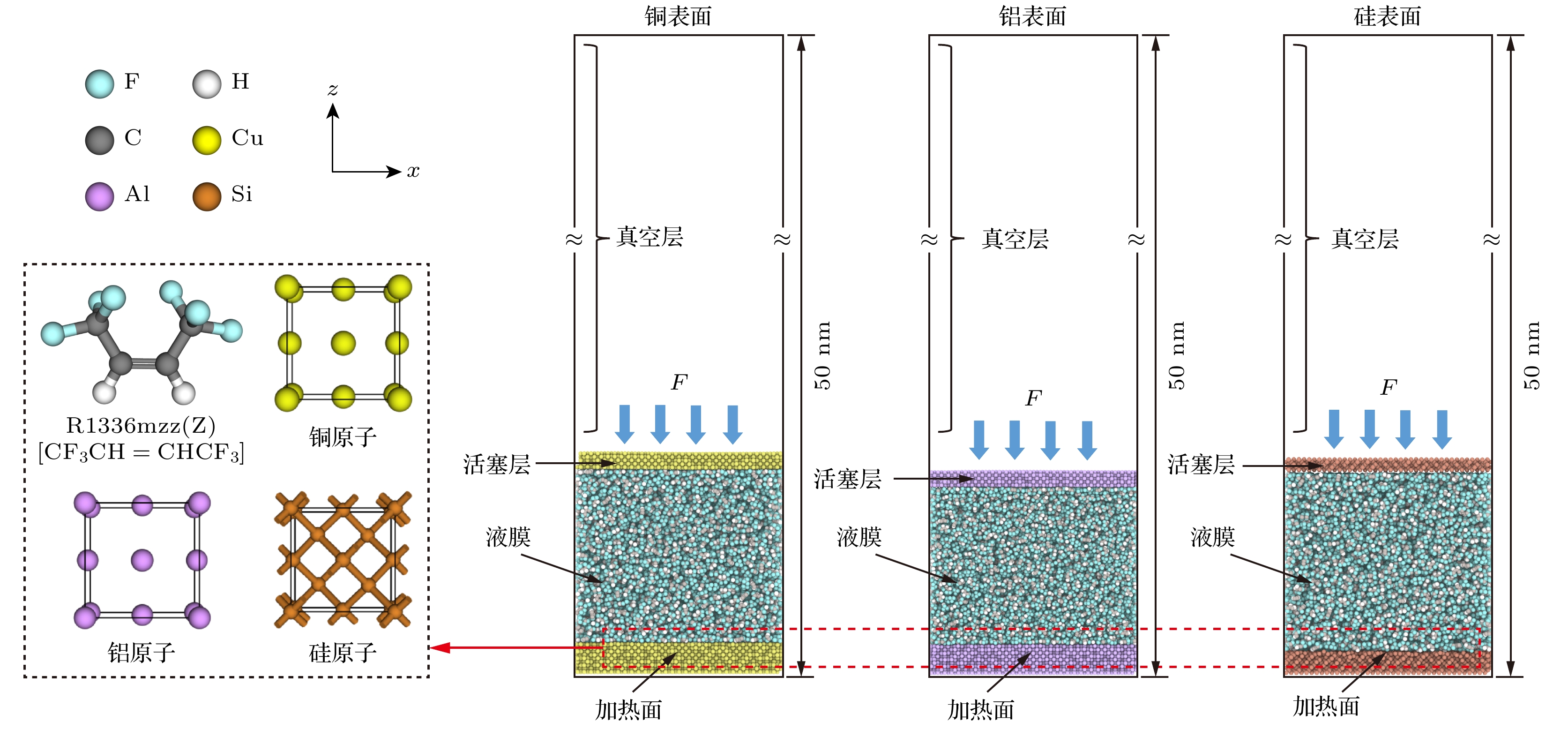
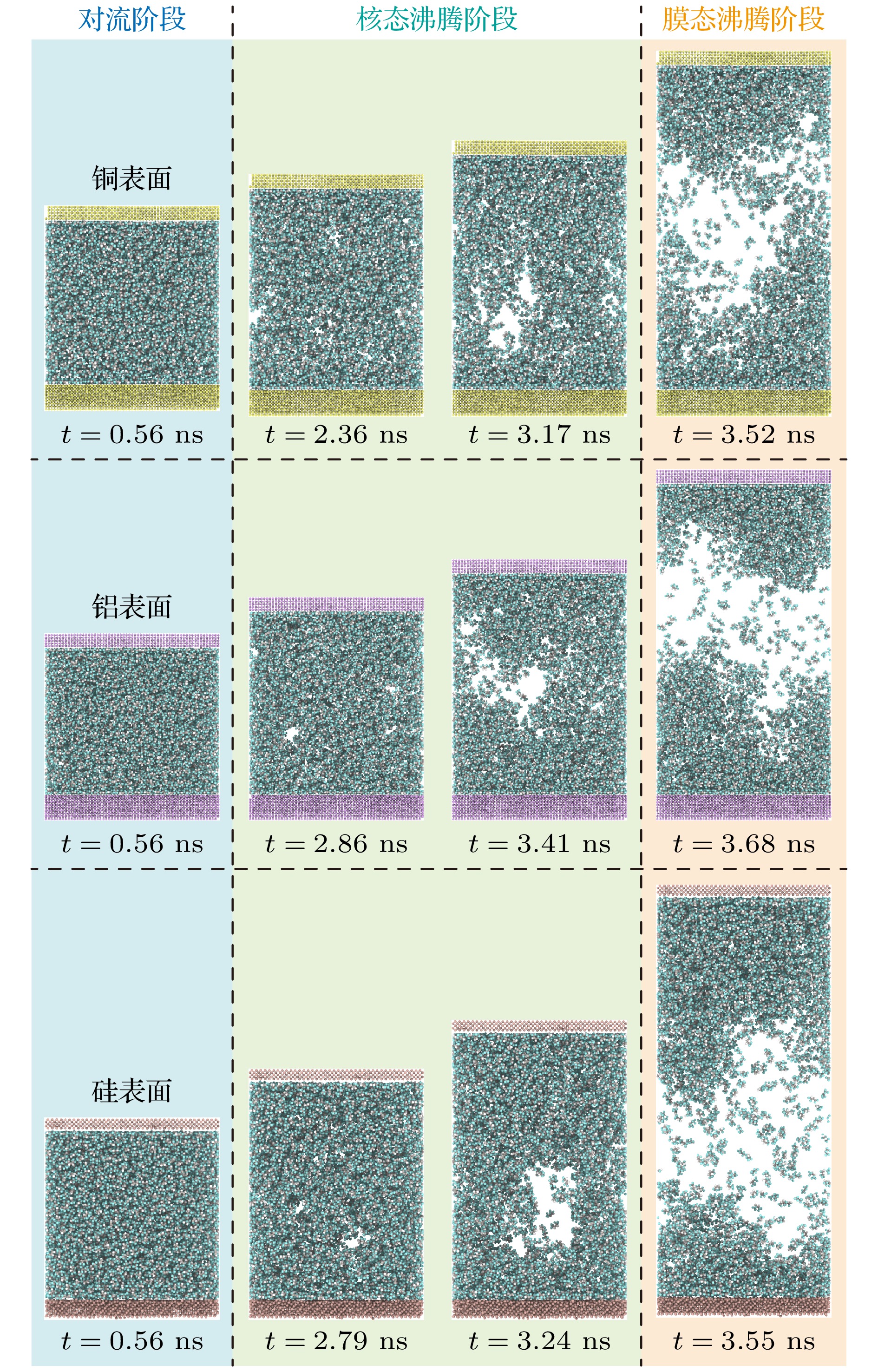
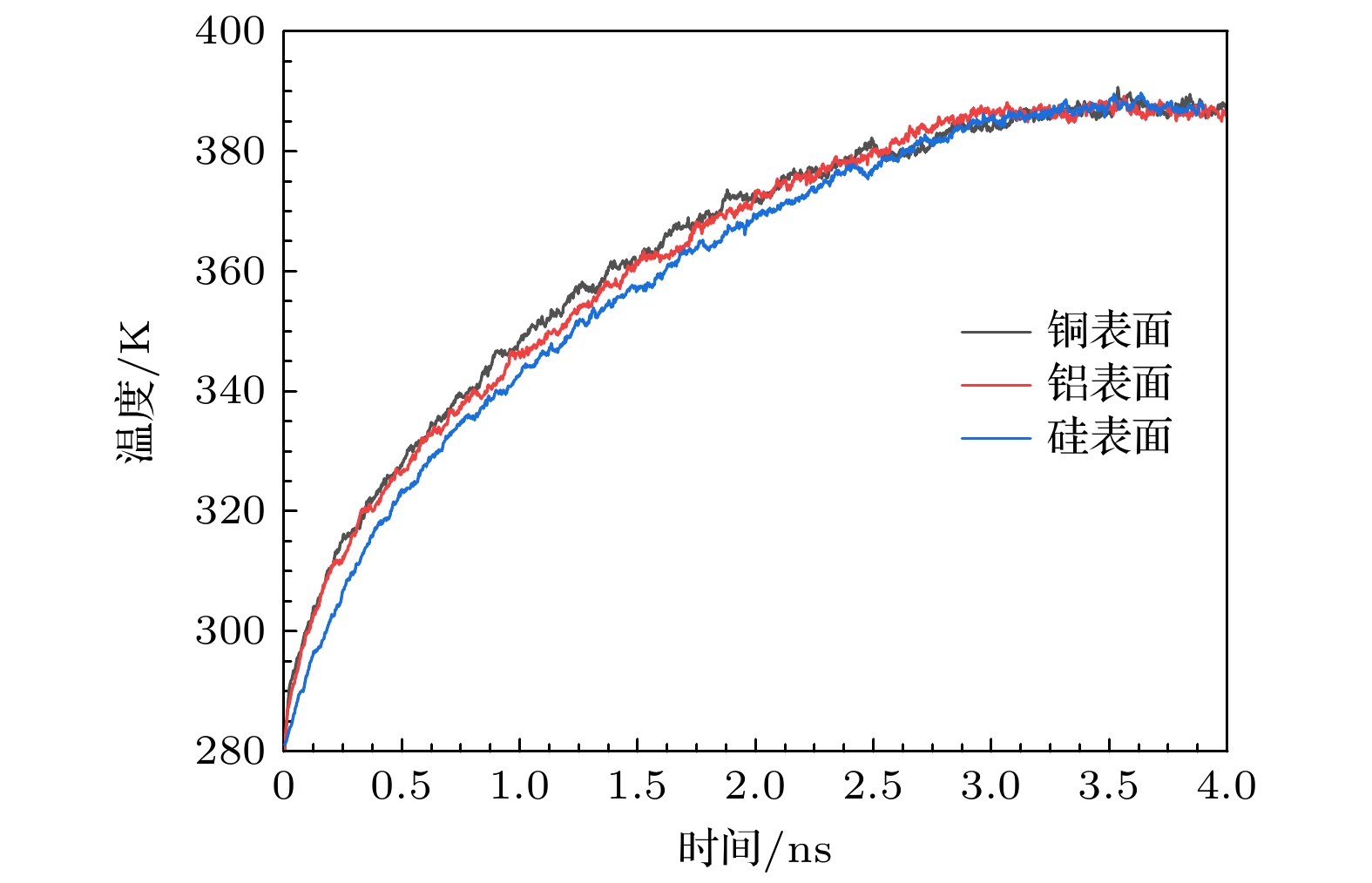
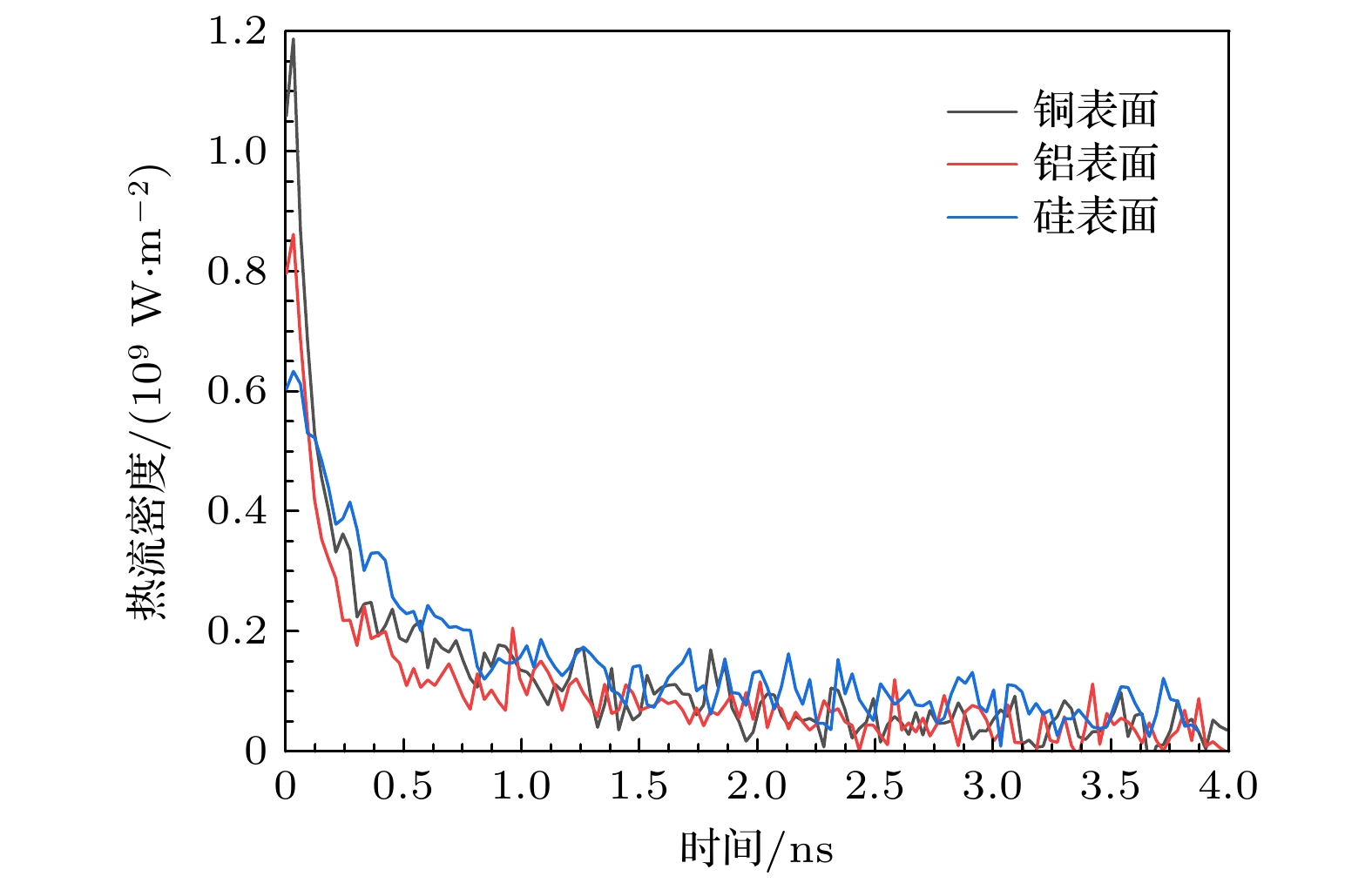
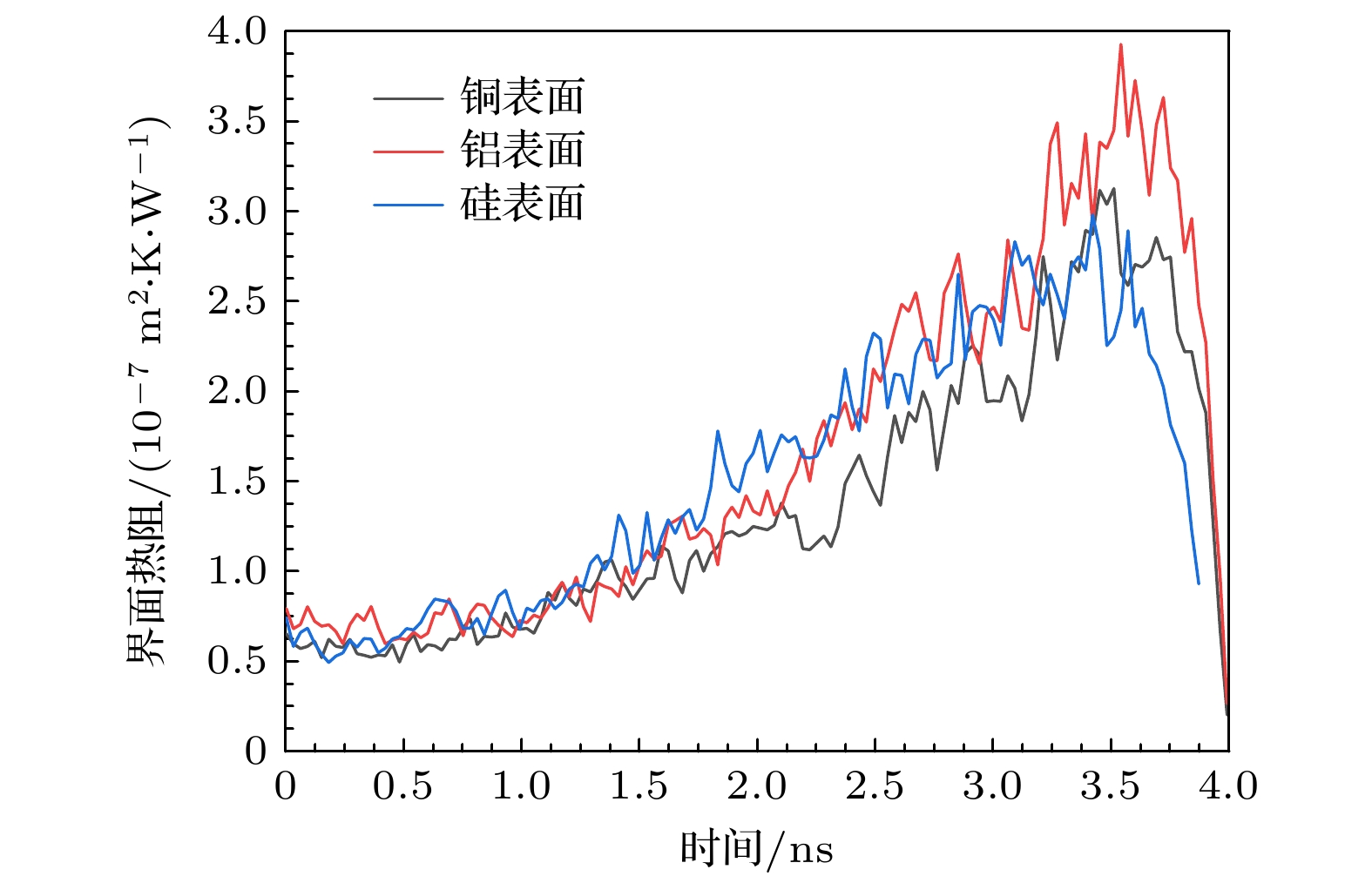
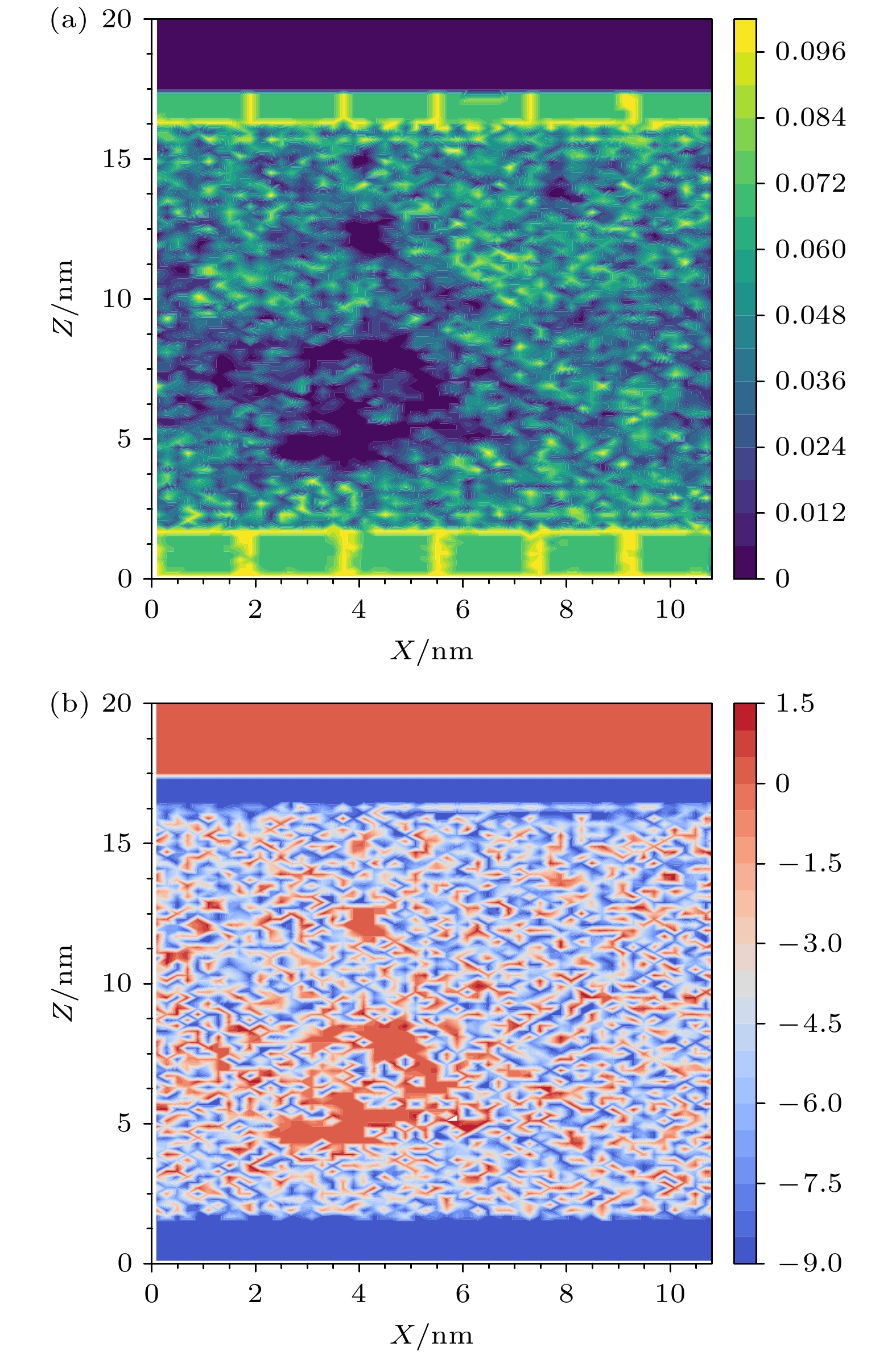
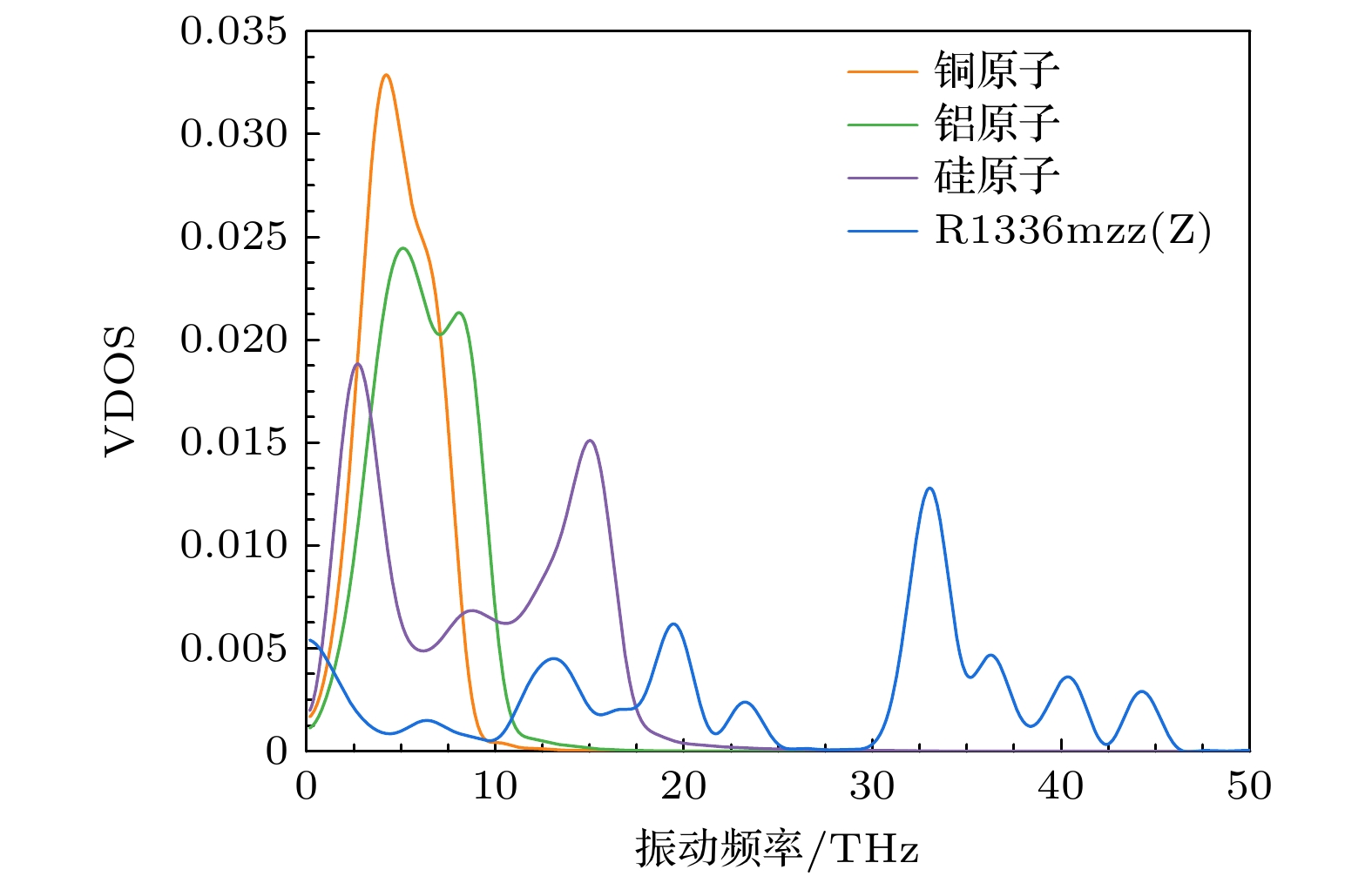
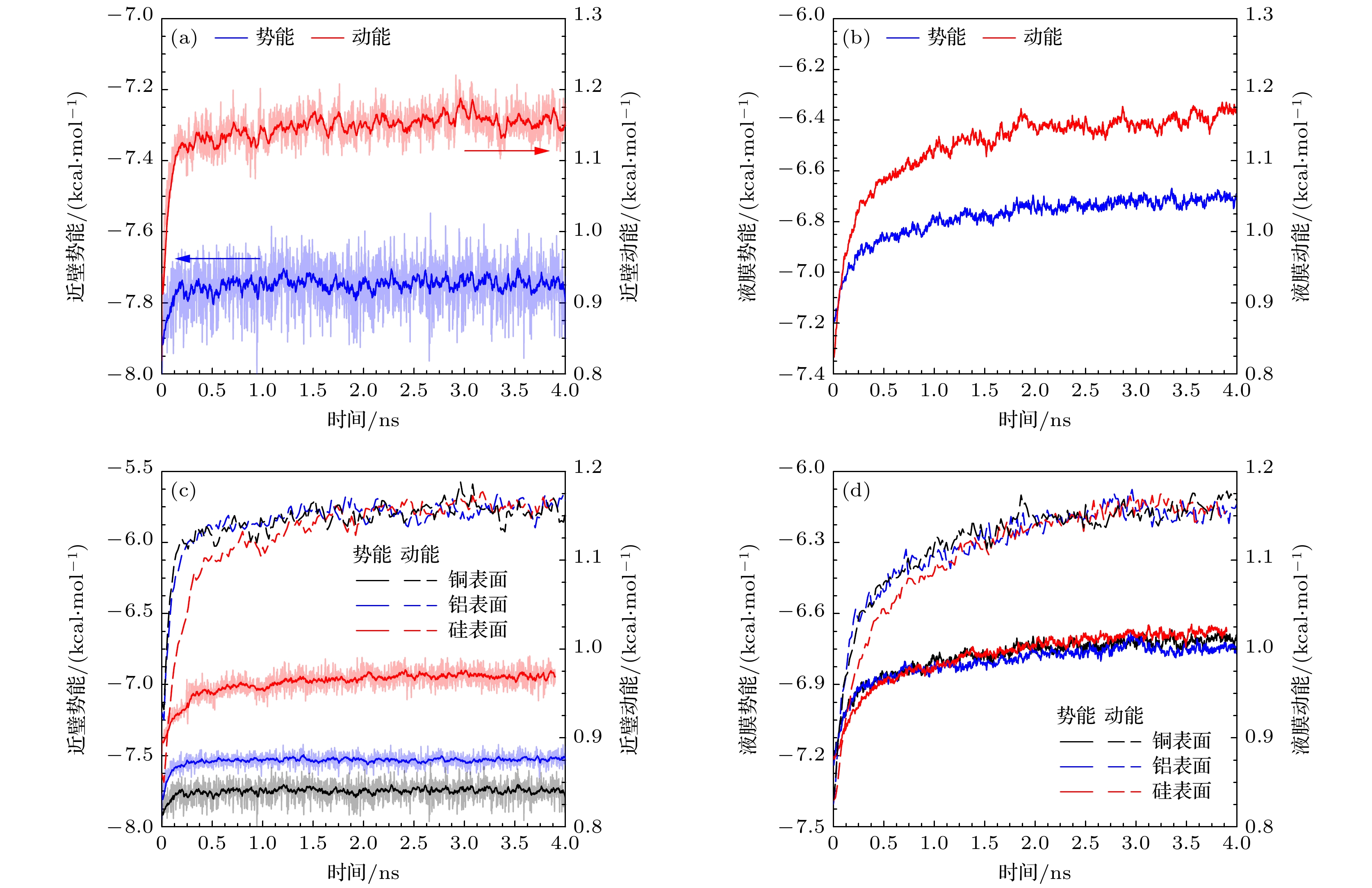
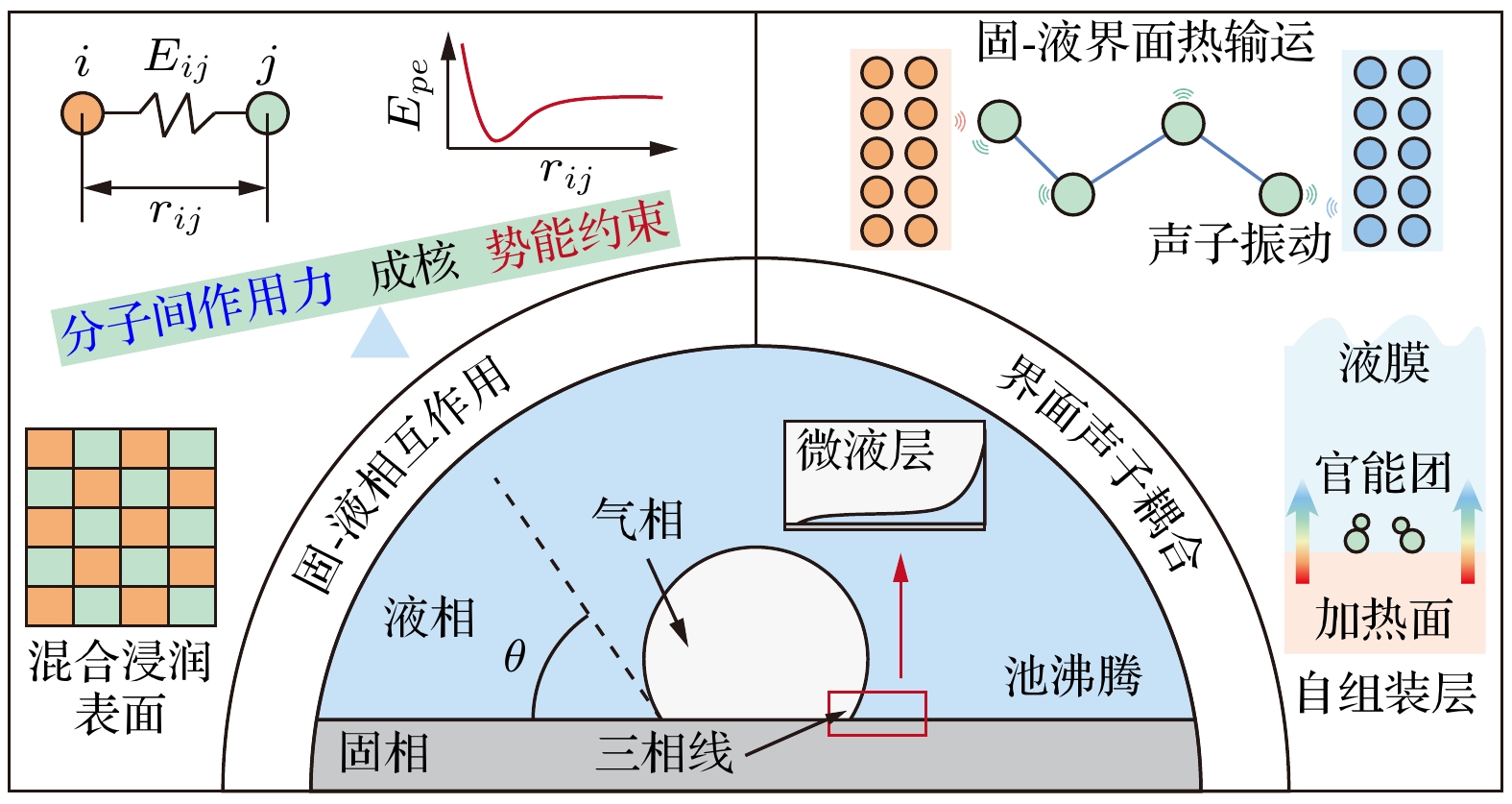
Two-phase heat transfer technology utilizing dielectric liquids has emerged as one of the efficient solutions for thermal management in high-power electronic devices. However, in practical applications, due to the interfacial materials and thermophysical properties, dielectric liquids exhibit significant boiling hysteresis, which in turn affects the boiling heat transfer performance. Owing to small spatial and temporal scales of bubble nucleation initiation, macroscopic experiments and traditional simulation methods still face certain limitations. In this study, non-equilibrium molecular dynamics and mechanical pressure control method are utilized to investigate the bubble nucleation and boiling heat transfer characteristics of R1336mzz(Z) liquid film on different heating surface materials (i.e. copper atoms, aluminum atoms, and silicon atoms). Additionally, the heterogeneous nucleation mechanism of dielectric liquid is discussed from two perspectives: phonon vibrational density of states and potential energy restriction. On the one hand, surface materials, represented by copper atoms, with high solid-liquid interaction forces and low-frequency vibrations, can generate substantial interfacial heat flux and attract a large number of liquid-phase molecules near the heated wall. However, such materials inevitably increase the energy barrier of bubble nucleation. On the other hand, surface materials, represented by silicon atoms, with weak solid-liquid interaction forces and medium-to-high-frequency vibrations can achieve reasonable phonon vibrational coupling with dielectric liquid to bridge interfacial thermal transport. Such materials can reduce the potential energy restriction on the nanofilm, thus facilitating the formation of local liquid clusters into bubble nuclei. These findings can provide a comprehensive understanding of the underlying mechanisms of bubble nucleation and heat transfer in dielectric liquids, and thus offer valuable insights into thermal management enhancement strategies in high-power electronic devices.














 DownLoad:
