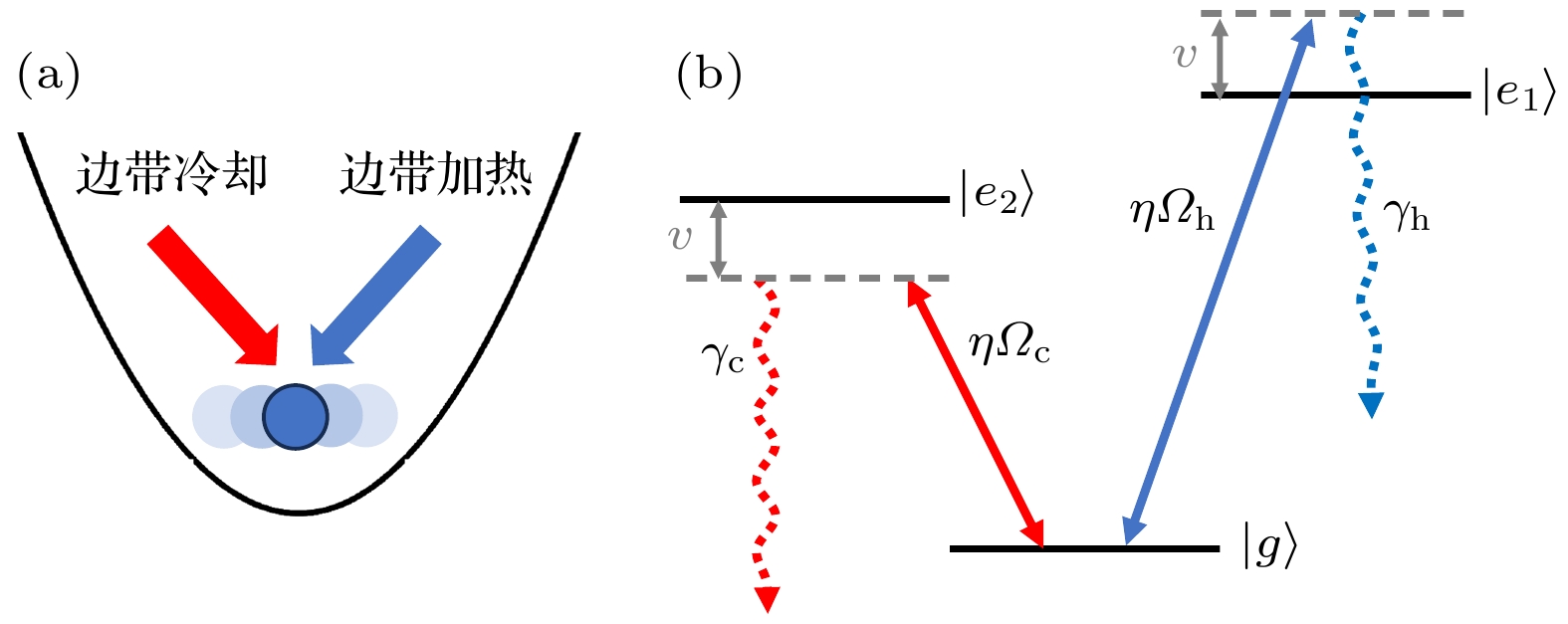
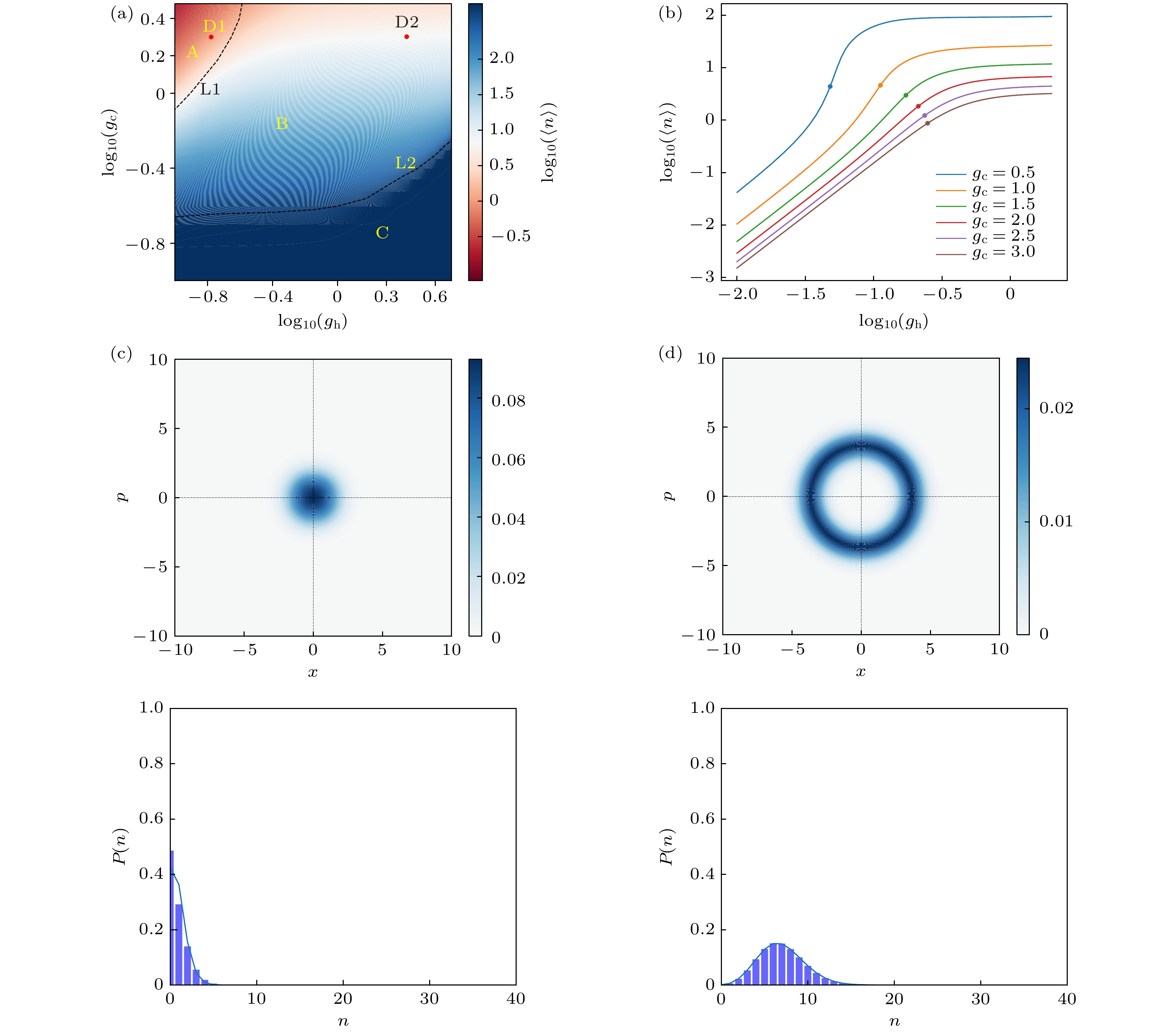
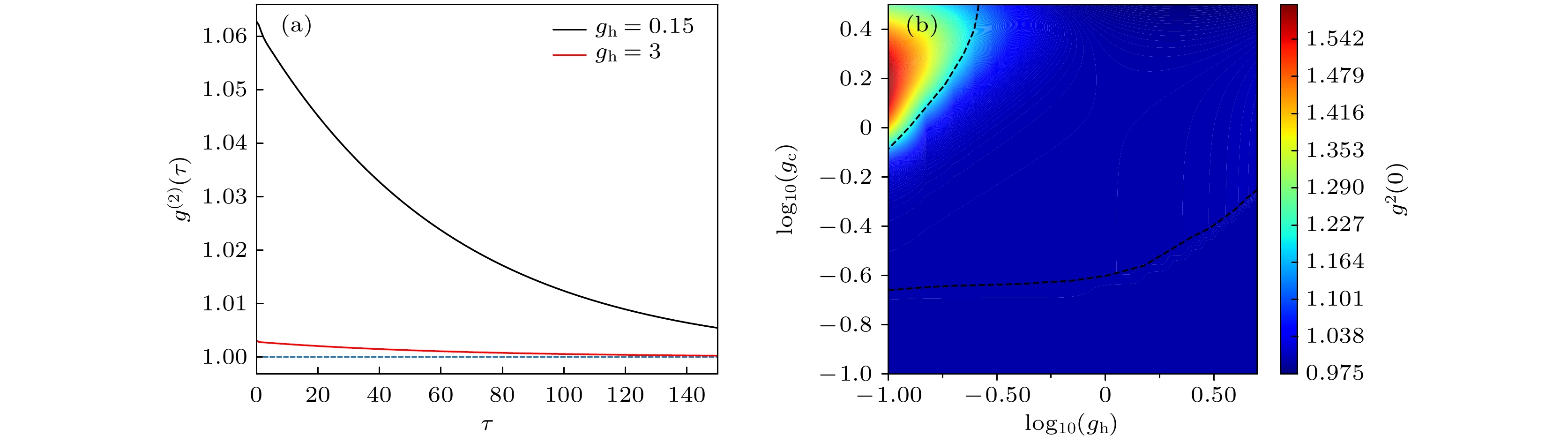
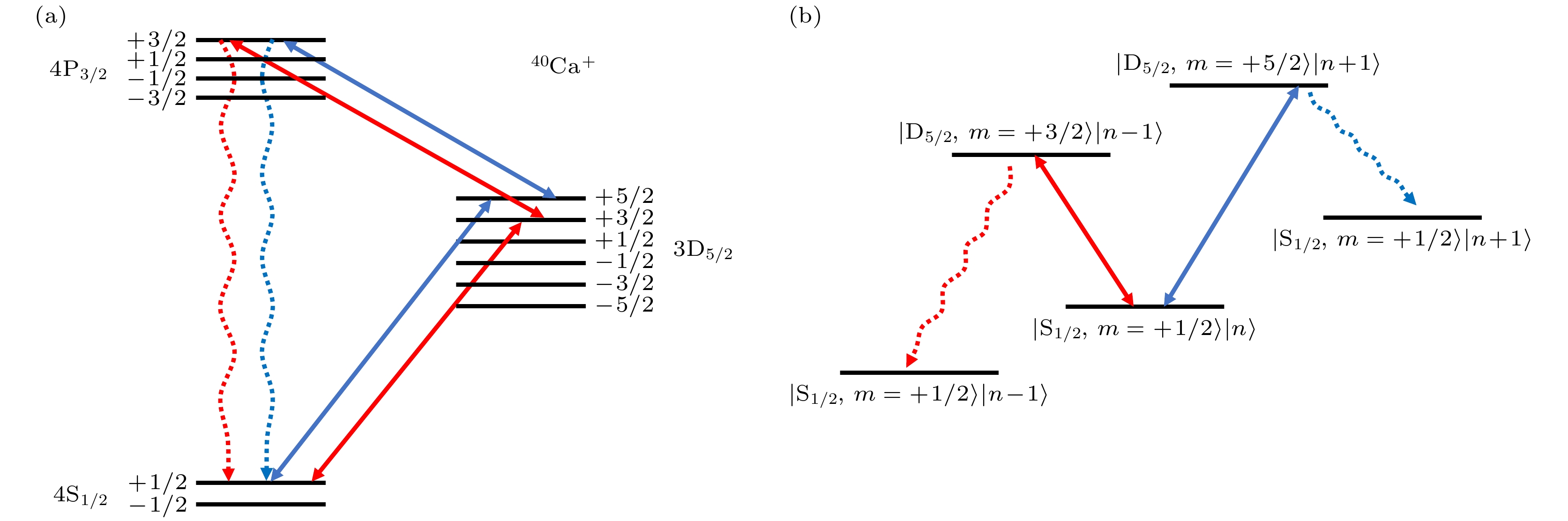
The quantum phonon laser state is a vibrational state generated by phonon coherent amplification technology based on the principles of quantum mechanics. Its core feature is to achieve coherent excitation and manipulation of phonon quantum states through precise control of phonon dynamics. This technology has broken through the classical physical limits of the traditional phonon laser state, providing a brand-new research method for quantum information technology. Previous research on quantum phonon laser states mainly focused on quantum van der Bohr oscillators. Quantum van der Bohr oscillators, as typical representatives of nonlinear quantum systems, have demonstrated significant theoretical value and broad application prospects in trapped-ion systems in recent years. These research breakthroughs not only successfully expand the research scope of traditional nonlinear dynamics to the quantum domain, but more importantly, provide a brand-new experimental platform and theoretical framework for exploring quantum nonlinear phenomena.Although the realization of quantum phonon laser state has been verified in two-ion systems, its practical application still faces significant challenges. The present paper explores how a single trapped ion generates quantum phonon laser states based on the three-level model. By numerically solving the quantum master equation, the steady-state characteristics of the phonon laser state are systematically analyzed, with a focus on the quantum statistical behavior of the system, including the evolution laws of the Wigner quasi-probability distribution function and the second-order correlation function. This paper also presents a specific experimental scheme, which is based on a single trapped 40Ca+ ion and uses a dual-color light field composed of a blue-sideband and a red-sideband lasers to generate quantum phonon laser states. By introducing the characteristic function of motion quantum states, the precise quantum state tomography of phonon laser states is achieved, thus providing a new approach for characterizing quantum states. In addition, there is a two-level model discussing the threshold effect of phonon lasers. However, it is found that the three-level model constructed in the present paper has significantly different phonon laser thresholds compared with the two-level model, and the three-level model can more accurately describe the physical mechanisms of complex quantum phonon laser states.














 DownLoad:
