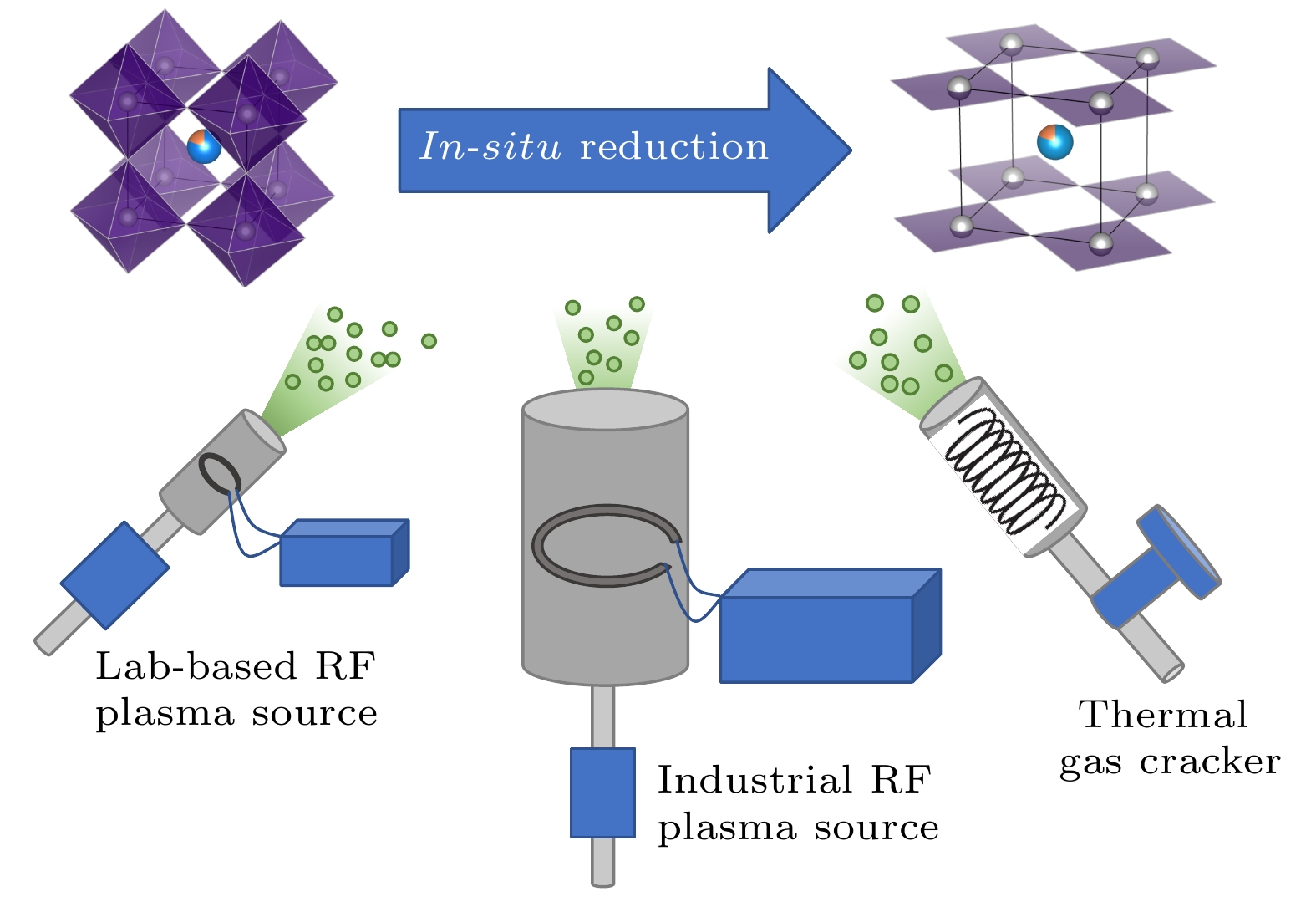
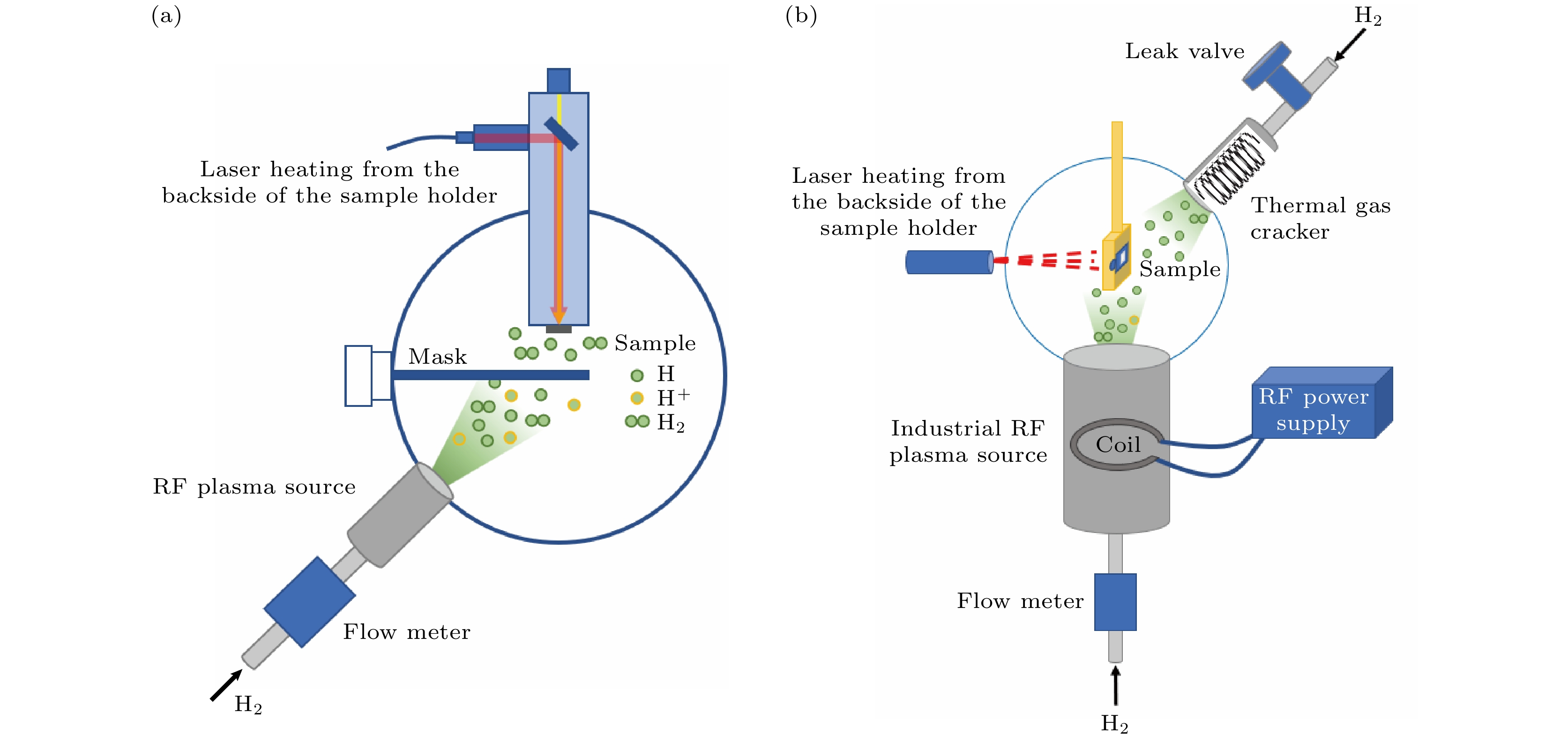
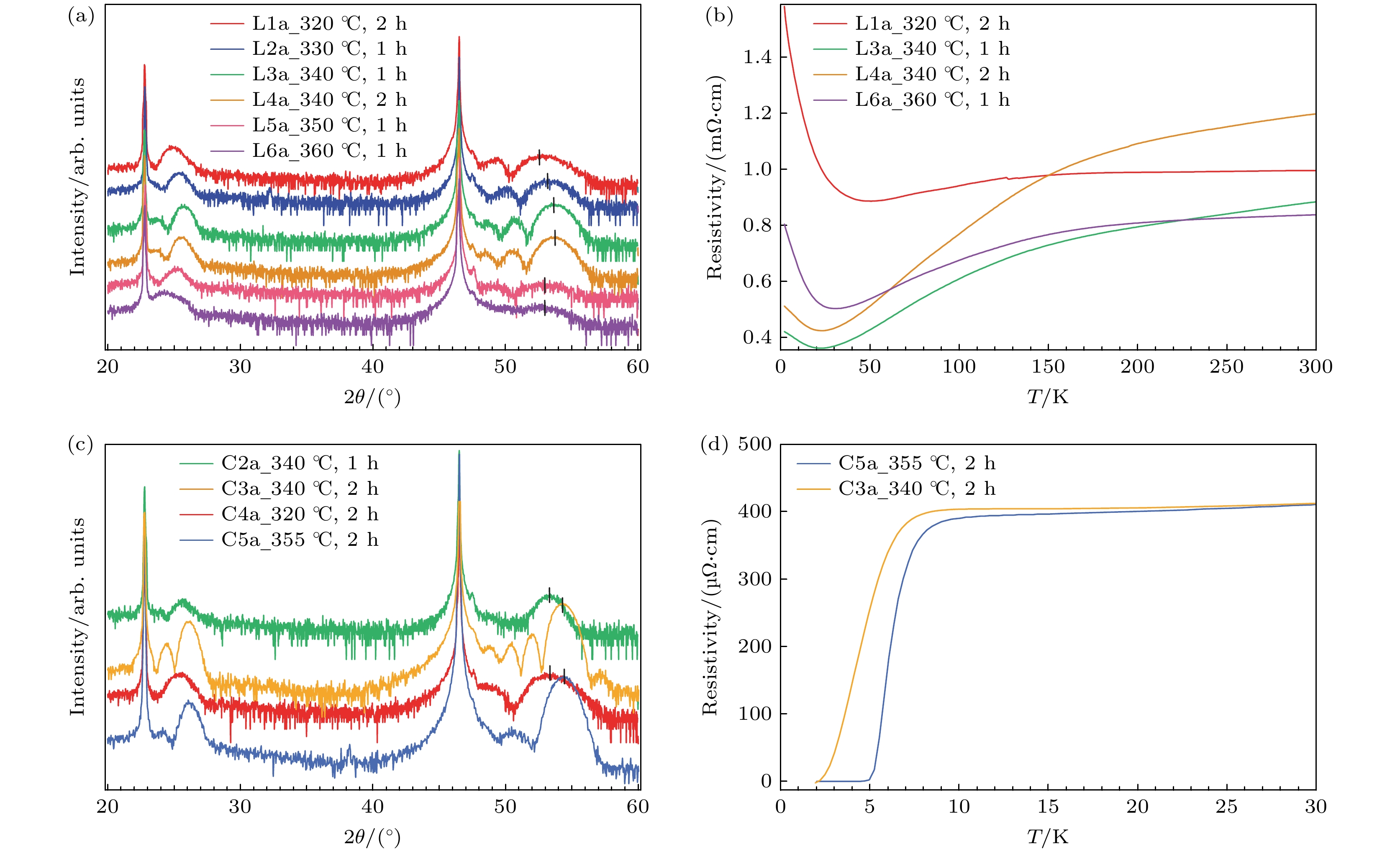
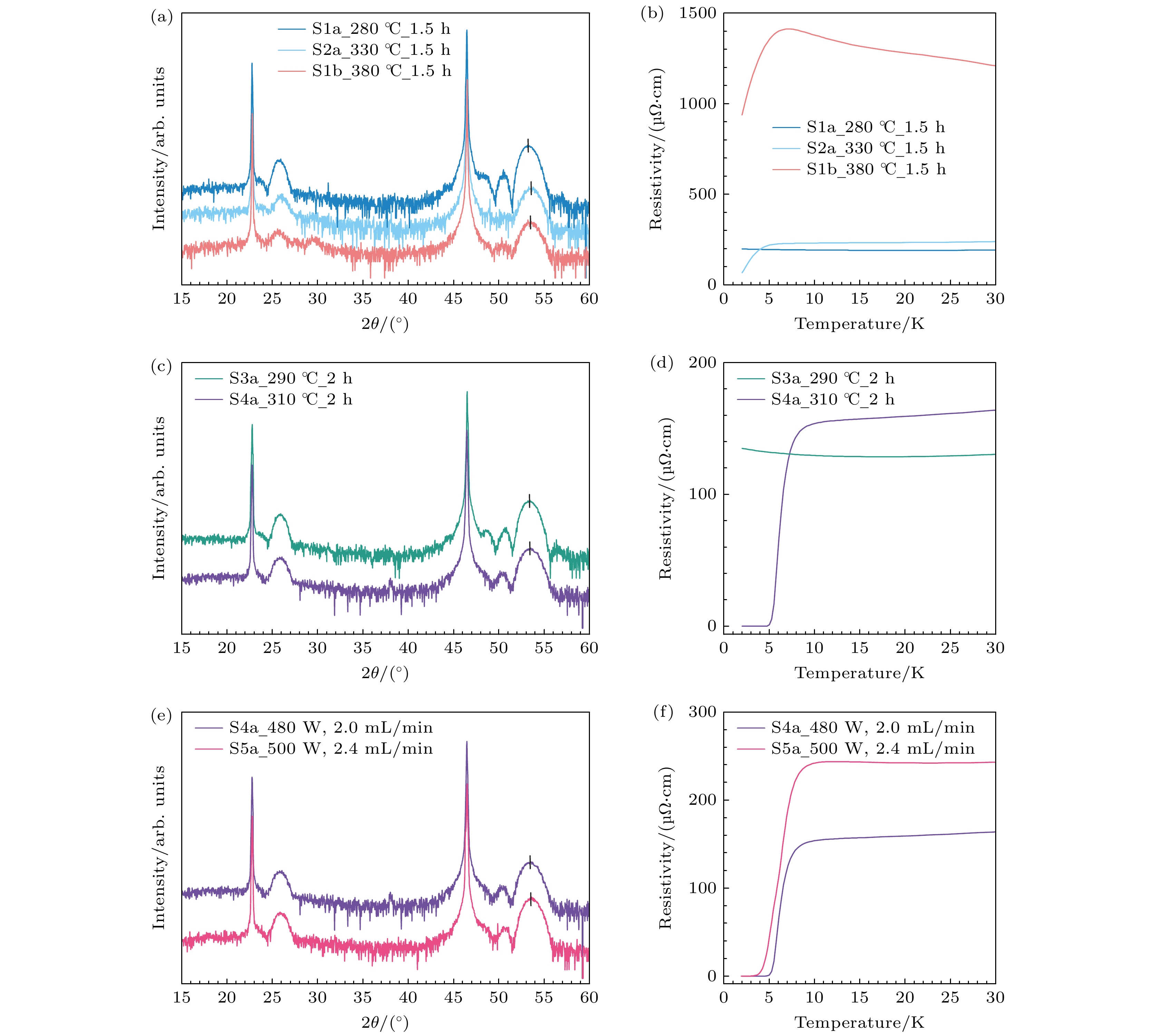
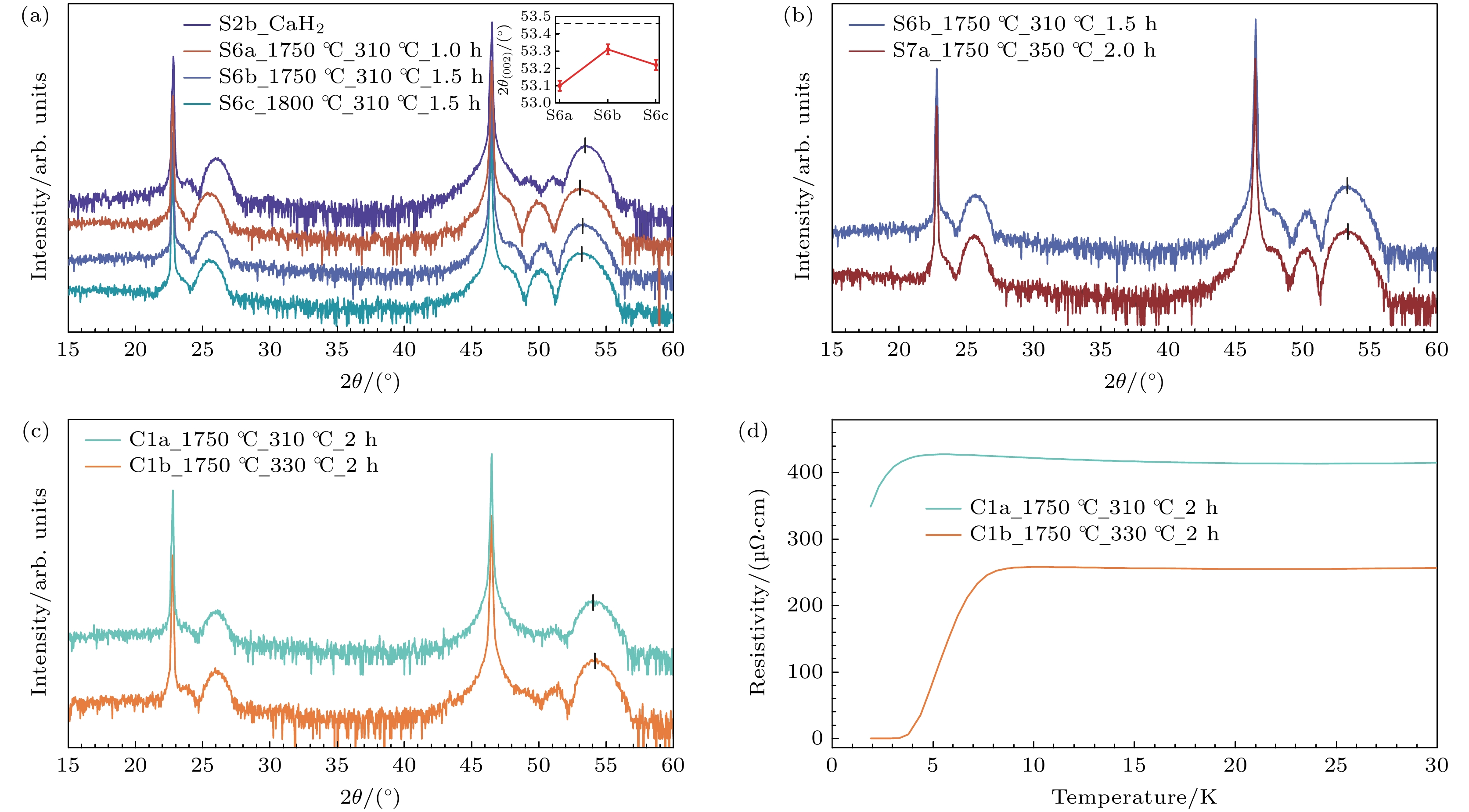
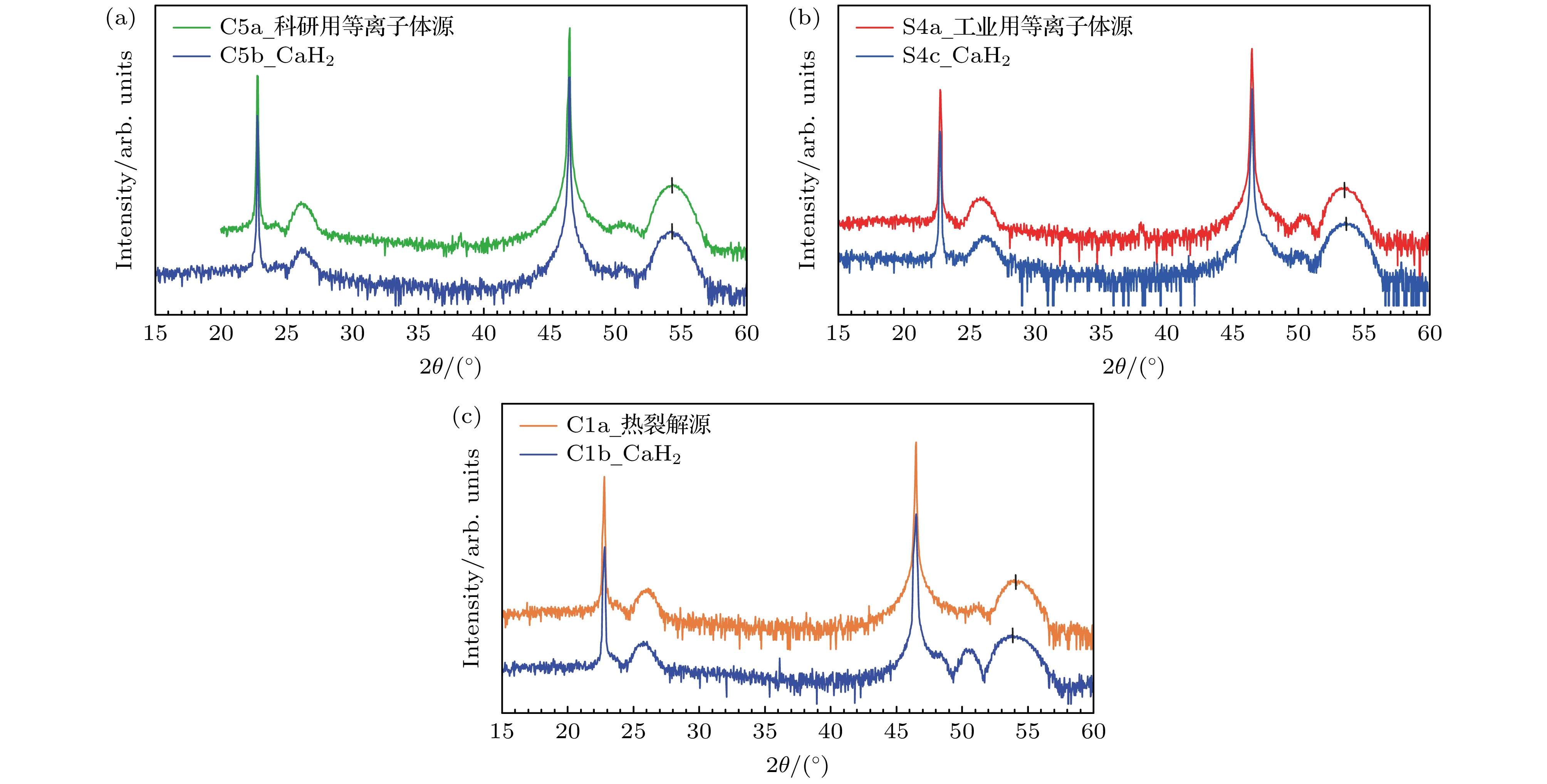
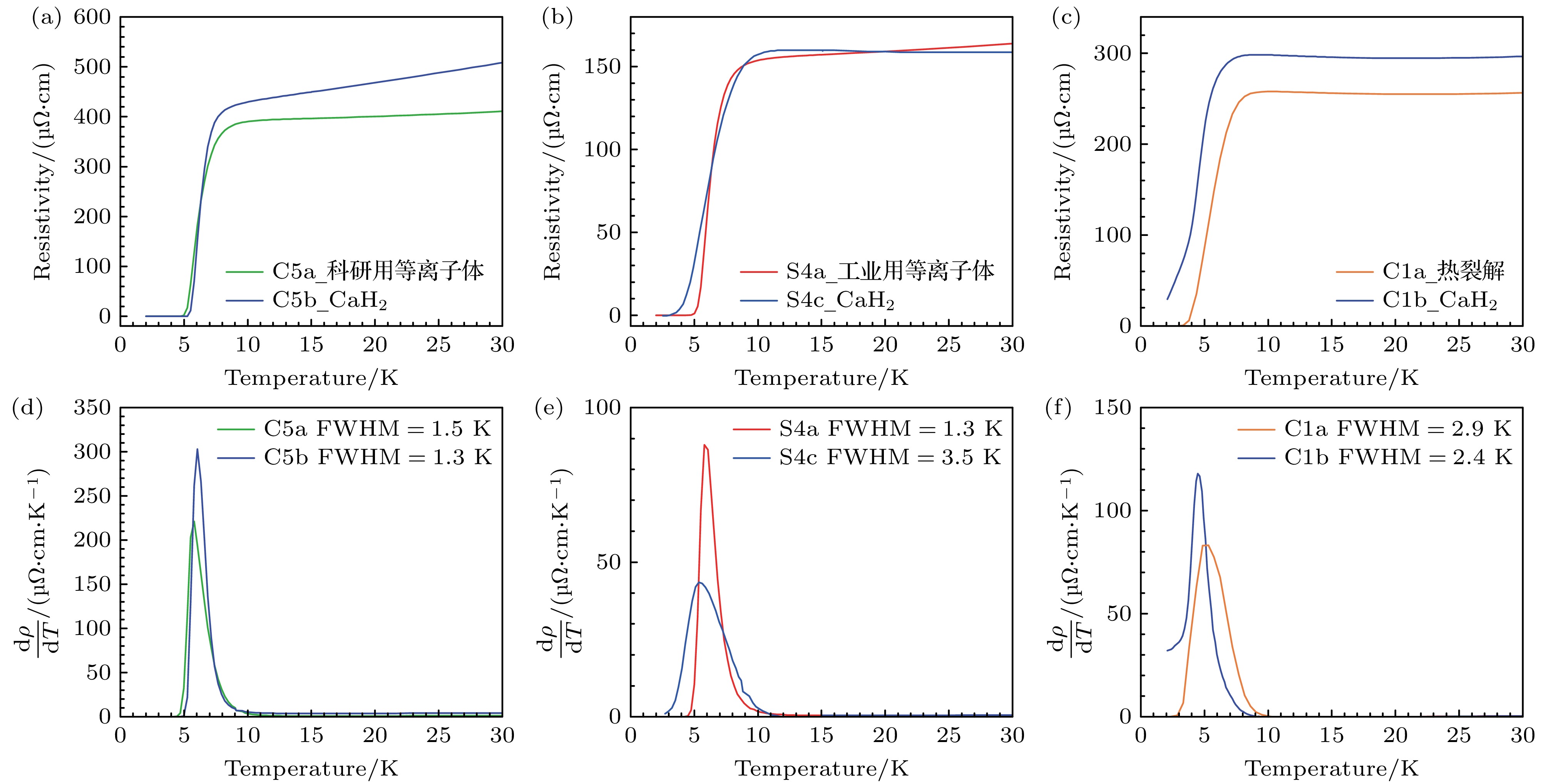
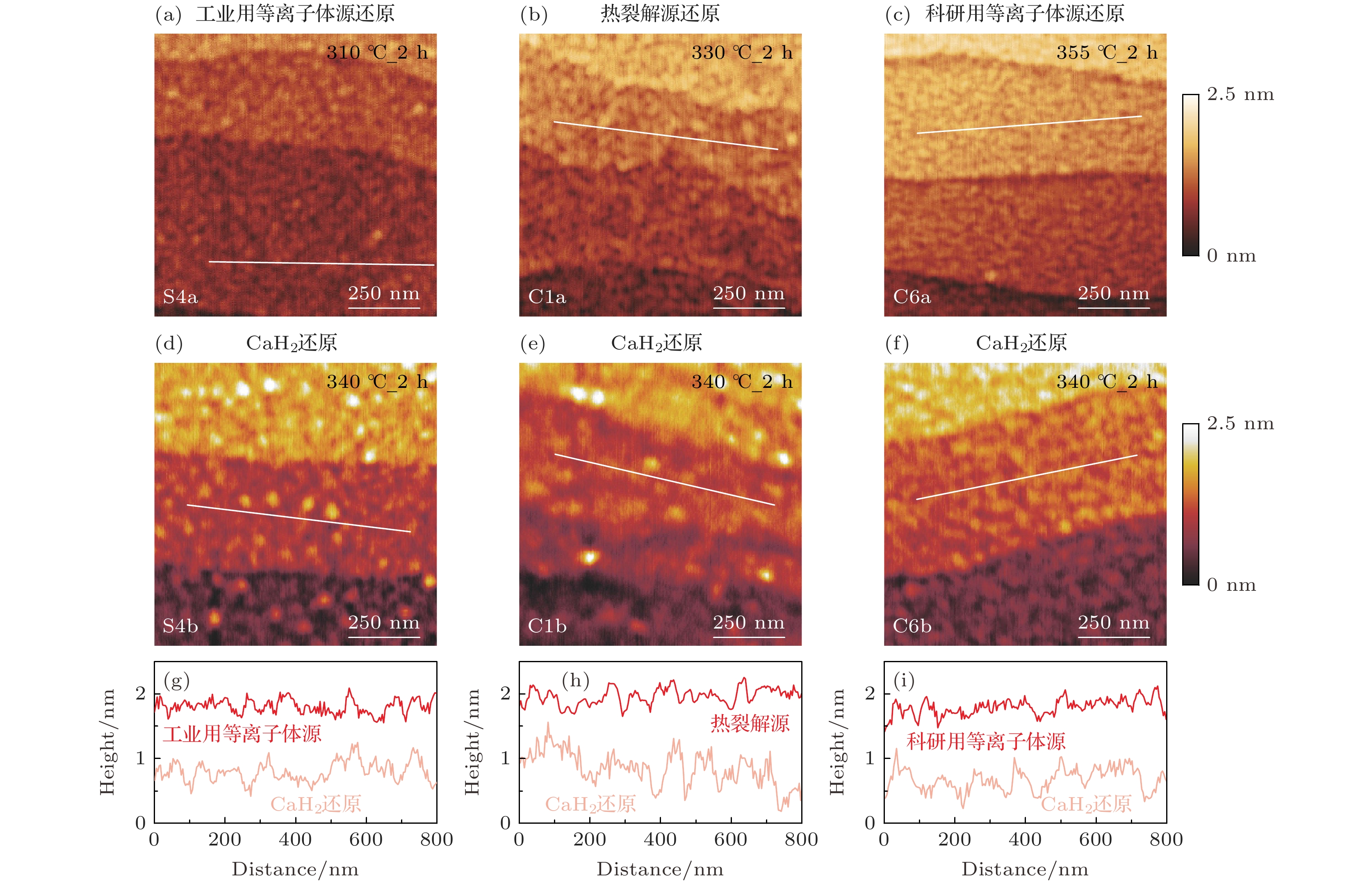
Infinite-layer nickelates, obtained by removing the apical oxygen from perovskite precursors, are the first nickelate system to exhibit superconductivity and provide a platform for exploring unconventional superconductivity. Although the traditional CaH2 sealed-tube reduction method is simple and effective, it is an ex-situ process that tends to cause surface contamination or degradation, making it unsuitable for surface-sensitive measurements like angle resolved photoemission spectroscopy (ARPES). To address this issue, we establish three different in-situ atomic hydrogen reduction methods in an ultrahigh vacuum chamber—namely, a lab-based RF plasma cracker, an industrial RF plasma cracker, and a thermal gas cracker. The key parameters including hydrogen flow, RF power or filament temperature, reduction temperature, and timeare comprehensively optimized using each of the above methods. Structural evolution is monitored by X-ray diffraction (XRD), surface morphology is characterized by atomic force microscopy (AFM), and superconducting properties are examined through electrical transport measurements. The results show that all three in-situ methods can achieve reduction and superconducting properties comparable to or better than CaH2 reduction. Moreover, all atomic hydrogen approaches yield lower surface roughness than CaH2 from the same precursor, highlighting their clear advantage in enhancing surface flatness. Notably, the industrial RF plasma source, due to its higher hydrogen production efficiency, enables sufficient reduction under milder conditions, resulting in even smoother surfaces. This study also provides a detailed summary of the parameter optimization for each method, providing valuable guidance for the controlled reduction of high-quality infinite-layer nickelate thin films.













 DownLoad: CSV

 DownLoad:
