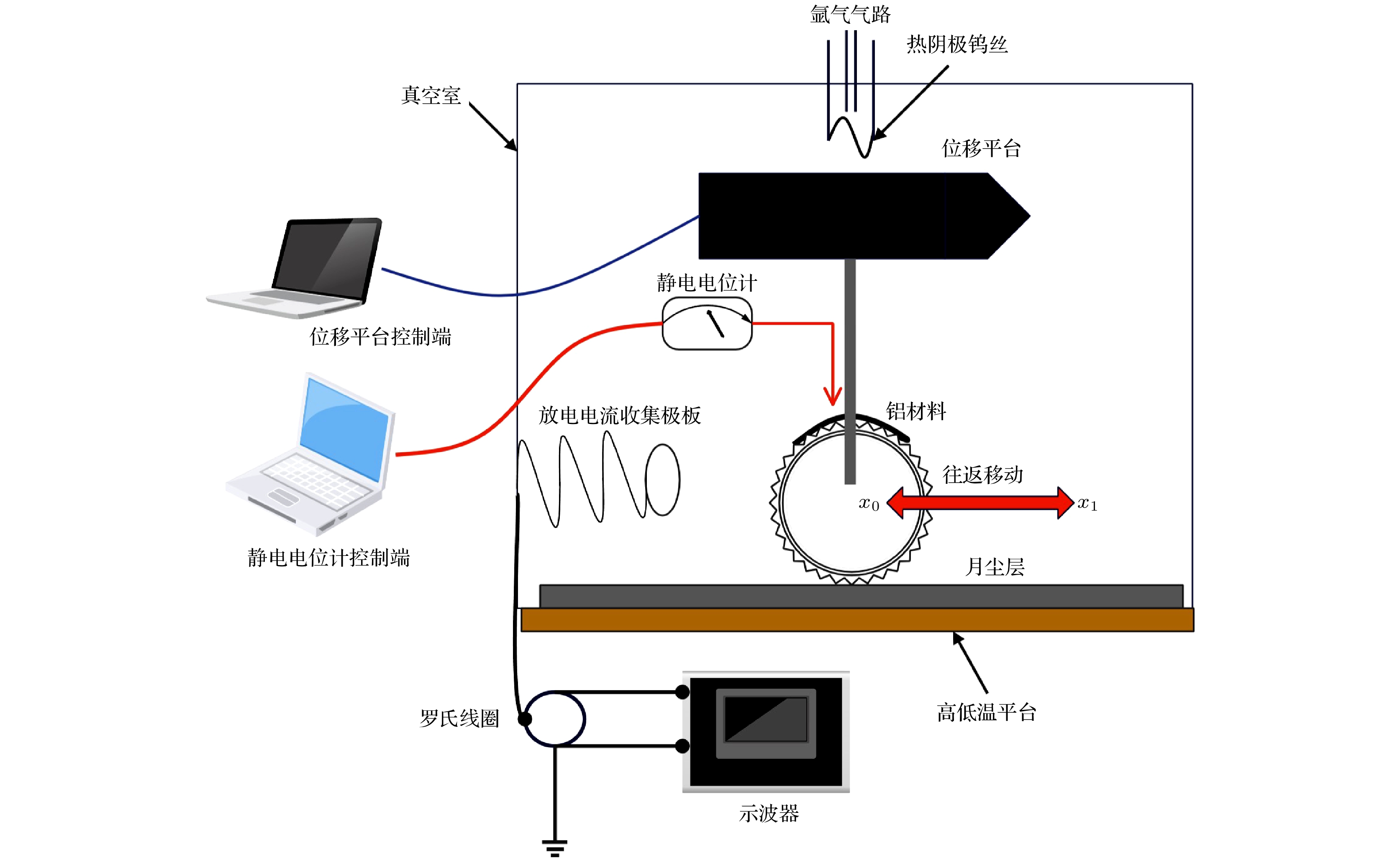
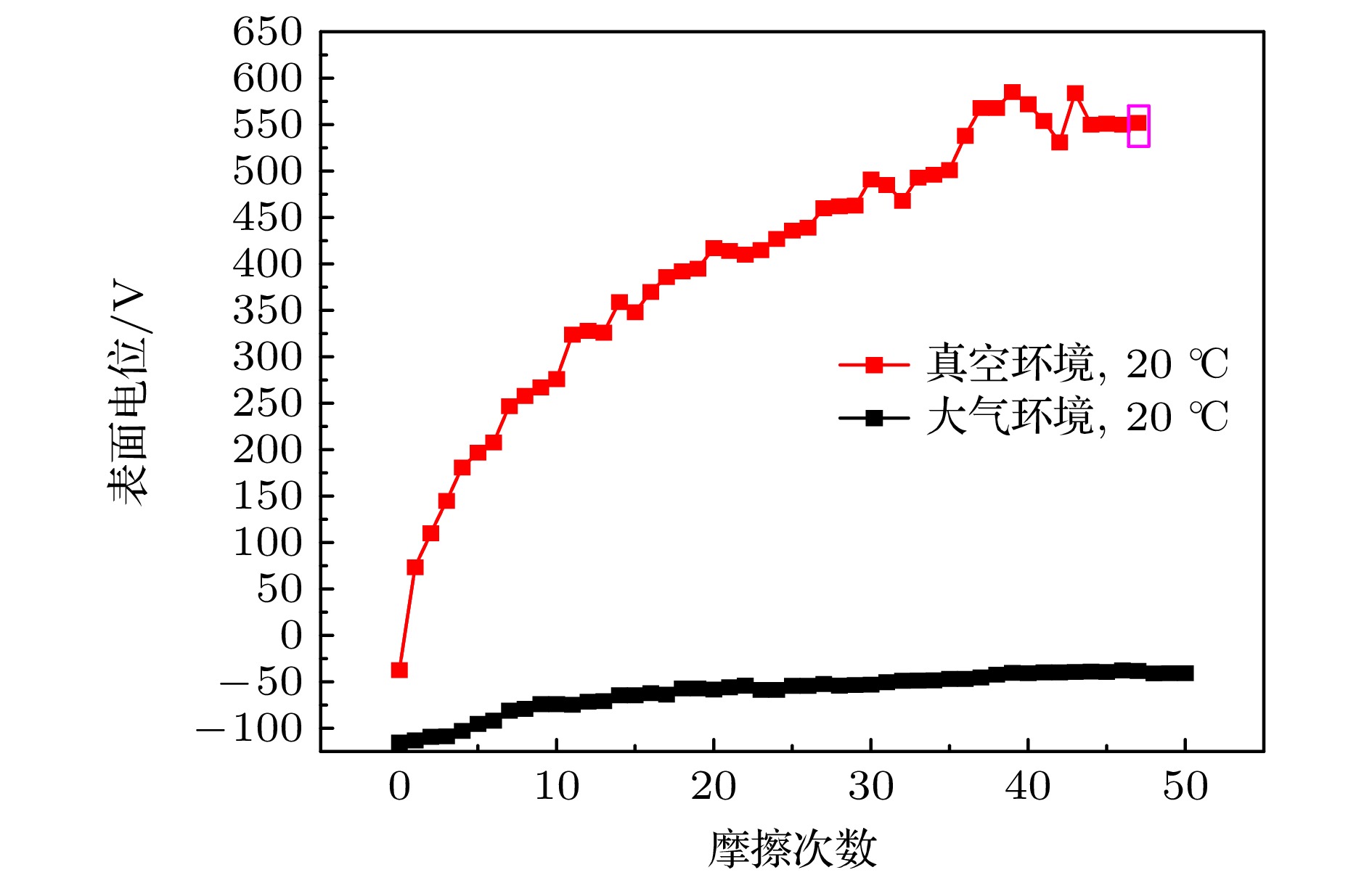
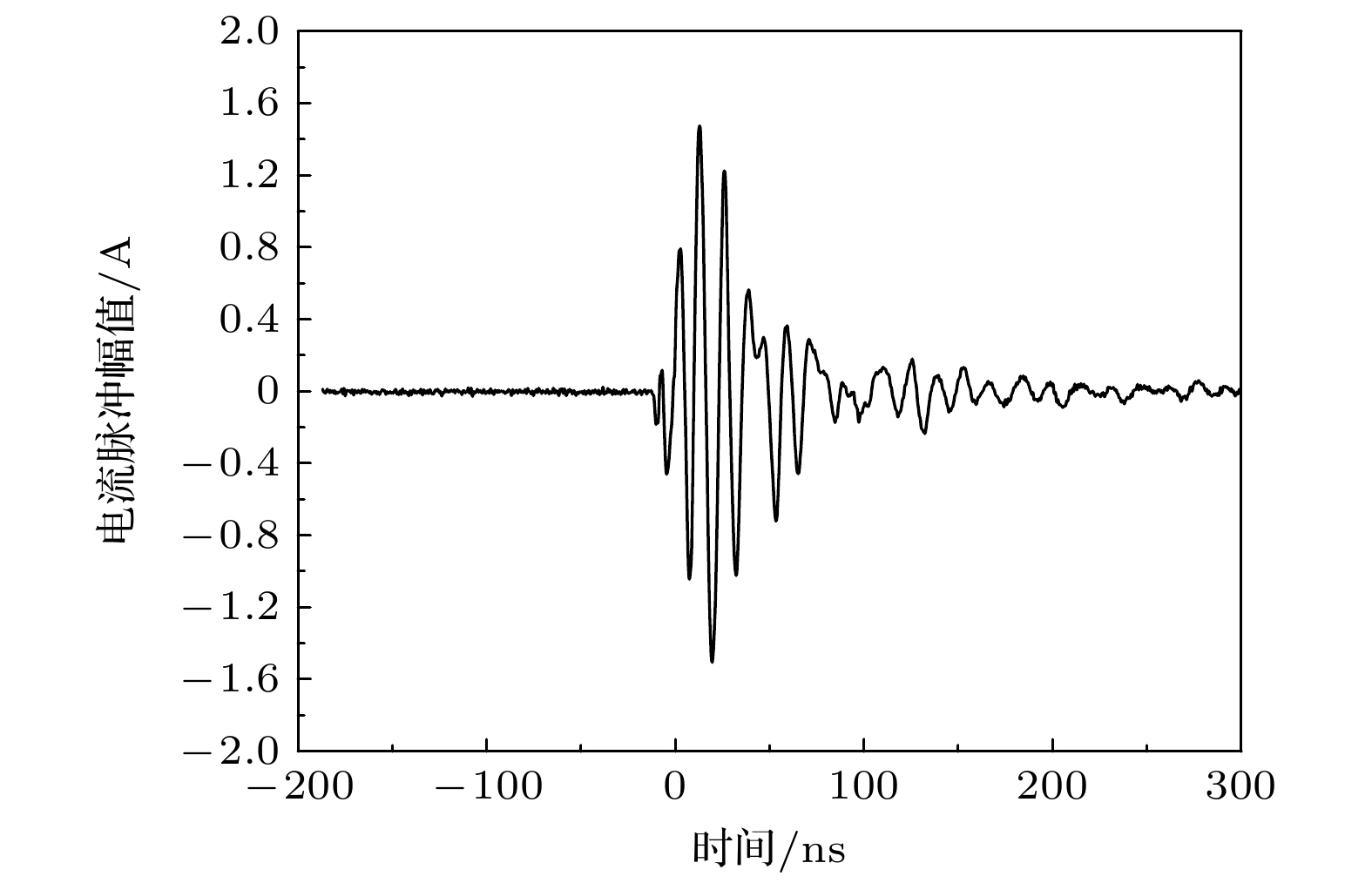
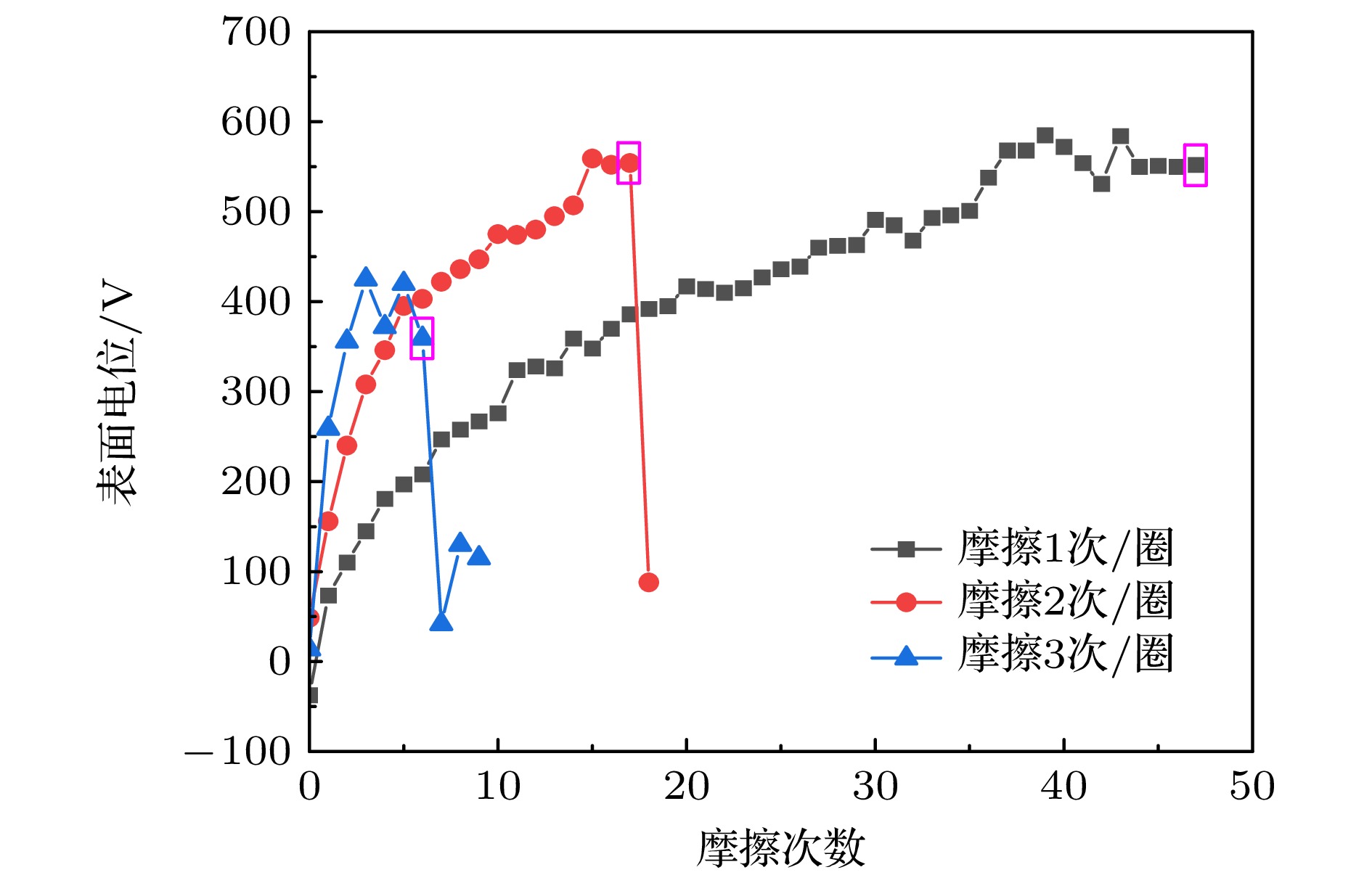
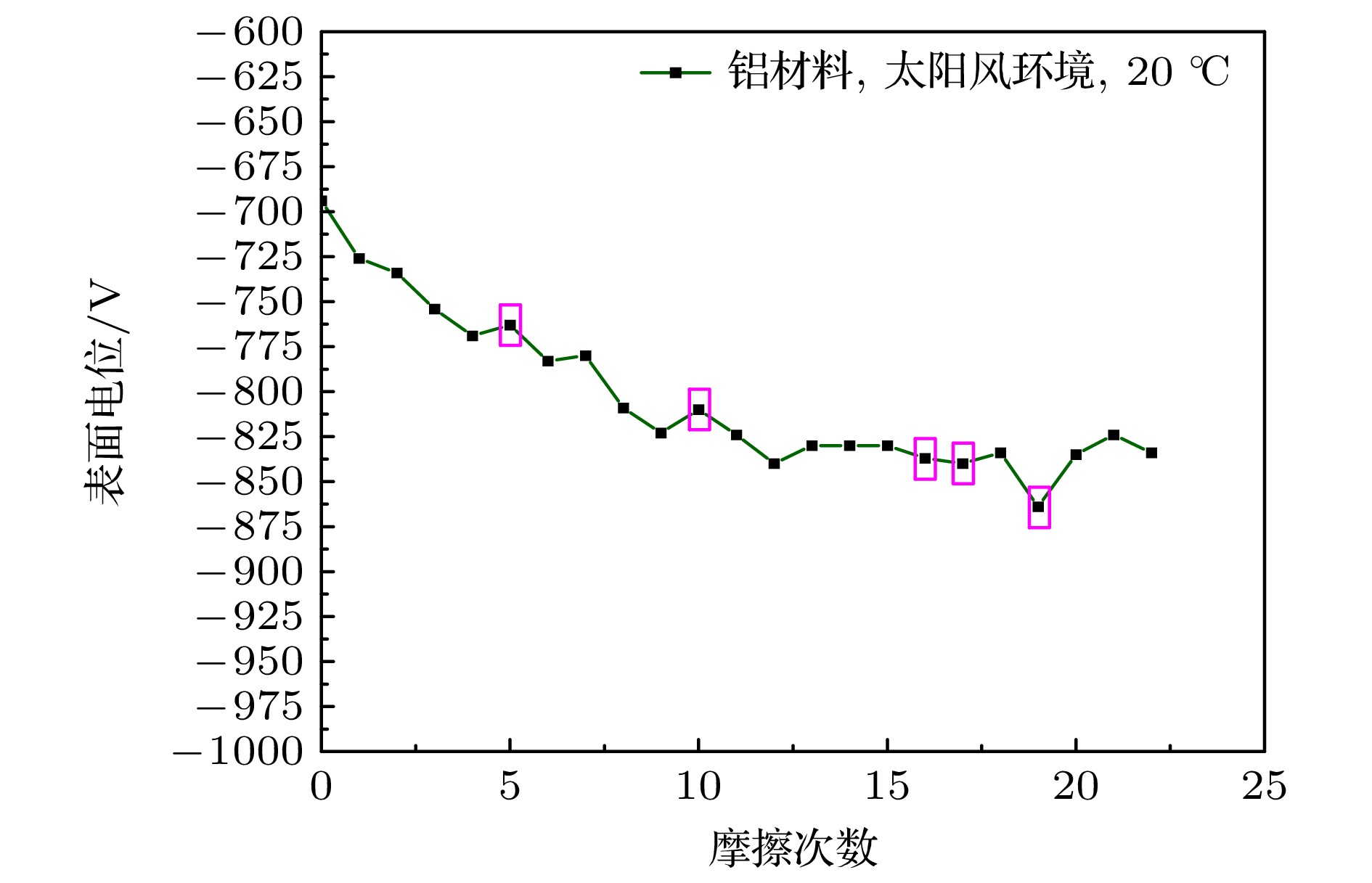
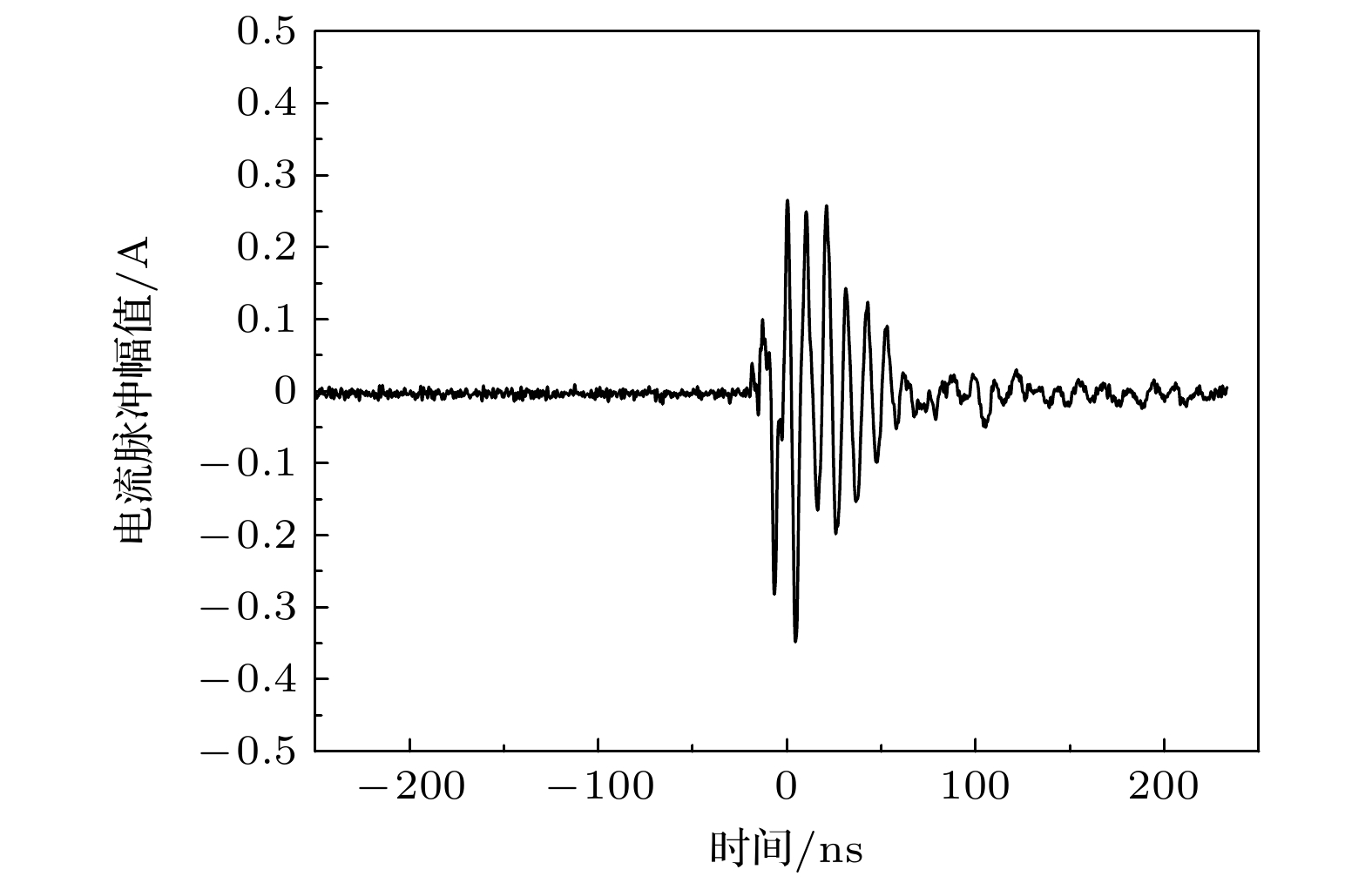
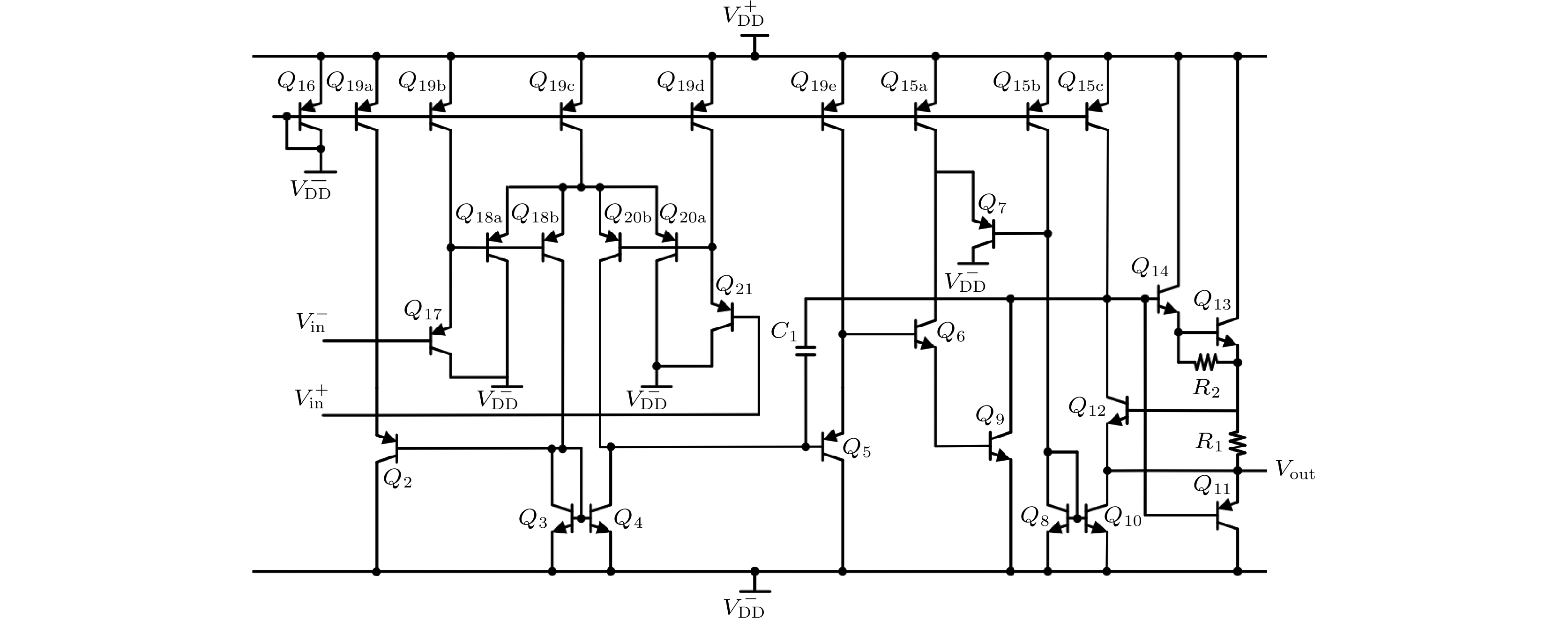
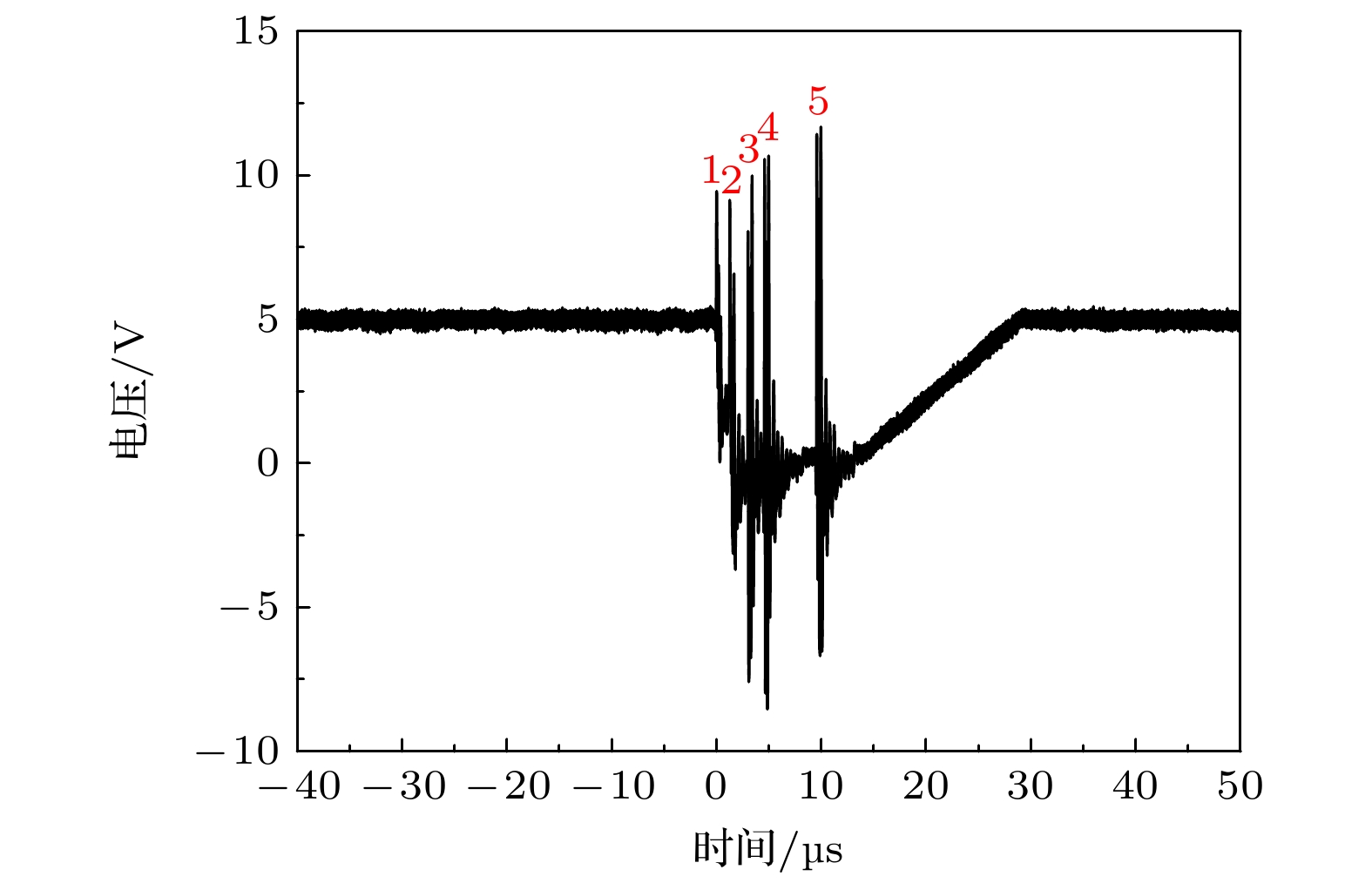
With China’s lunar exploration program steadily advancing from the landmark orbiting missions of Chang’e-1 to the historic sample-return feats of Chang’e-5 and the groundbreaking far-side landing of Chang’e-4, China has entered a critical phase of deepening lunar exploration, including preparations for crewed lunar missions. Among these ambitious endeavors, identifying and mitigating potential operational risks is crucial to ensuring the success of these ambitious efforts. This work focuses on a critical hazard unique to China’s lunar surface exploration efforts: the triboelectric charging and discharging phenomenon between lunar rover wheels and lunar dust, which has a significant impact on astronaut safety and the reliability of onboard electronic systems.Lunar surface missions will face the risk of triboelectric charging and discharging resulting from friction between lunar rover wheels and lunar dust. Preliminary theoretical studies indicate that metal wheels may become charged to a level of approximately –5000 V, with discharge pulse currents reaching an order of magnitude of 0.1 A, posing a severe threat to astronaut safety and the normal operation of device circuits.This paper employs ground-based experimental methods to investigate the triboelectric charging and discharging risks of lunar rover wheels in vacuum and simulated solar wind plasma environments. The research findings are given below.In a vacuum environment, when an aluminum alloy lunar rover wheel (136 mm in diameter) travels on a lunar dust layer at a speed of 0.003 m/s, it rapidly charges to a positive potential of several hundred volts. Discharge breakdown occurs when the wheel travels approximately 20 m and reaches a potential of 550 V. At this point, the captured discharge current pulse amplitude can reach 1.5 A, with a pulse duration of about 100 ns. Increasing the friction frequency significantly accelerates the charging rate and leads to more frequent discharges.In a simulated solar wind plasma environment, when the wheel travels at 0.003 m/s, the combined effect of the environment and friction results in a negative charging potential. After reaching equilibrium, the potential stabilizes at approximately –830 V, and discharges occur more frequently than in a vacuum environment. Discharge breakdown takes place when the wheel travels just 8.5 m, with the discharge current pulse amplitude reaching up to 0.3 A and a pulse duration of 100 ns.These discharge pulses cause electromagnetic interference to linear circuits, leading to abnormal output of voltage signals in subsequent modes. The abnormal signals have an amplitude on the order of 10 V and a duration of 29 ms.This study confirms that the risk of triboelectric charging and discharging in lunar rovers is relatively high. Although theoretical models predict that the lunar roving vehicle (LRV) would experience rapid dissipation of triboelectric charges (with no charging/discharging risk) when operating at 0.03 m/s, the experiments show that even at a slow speed of 0.003 m/s, the wheels still accumulate charges and experience frequent discharge breakdowns. The amplitude of discharge pulse can reach the level of 1 ampere, causing significant electromagnetic interference to nearby circuits. Clearly, theoretical models underestimate the risk of triboelectric charging and discharging in lunar surface environments. It is recommended that future engineering tasks pay close attention to this issue and further evaluate the extent of its hazards.














 DownLoad:
