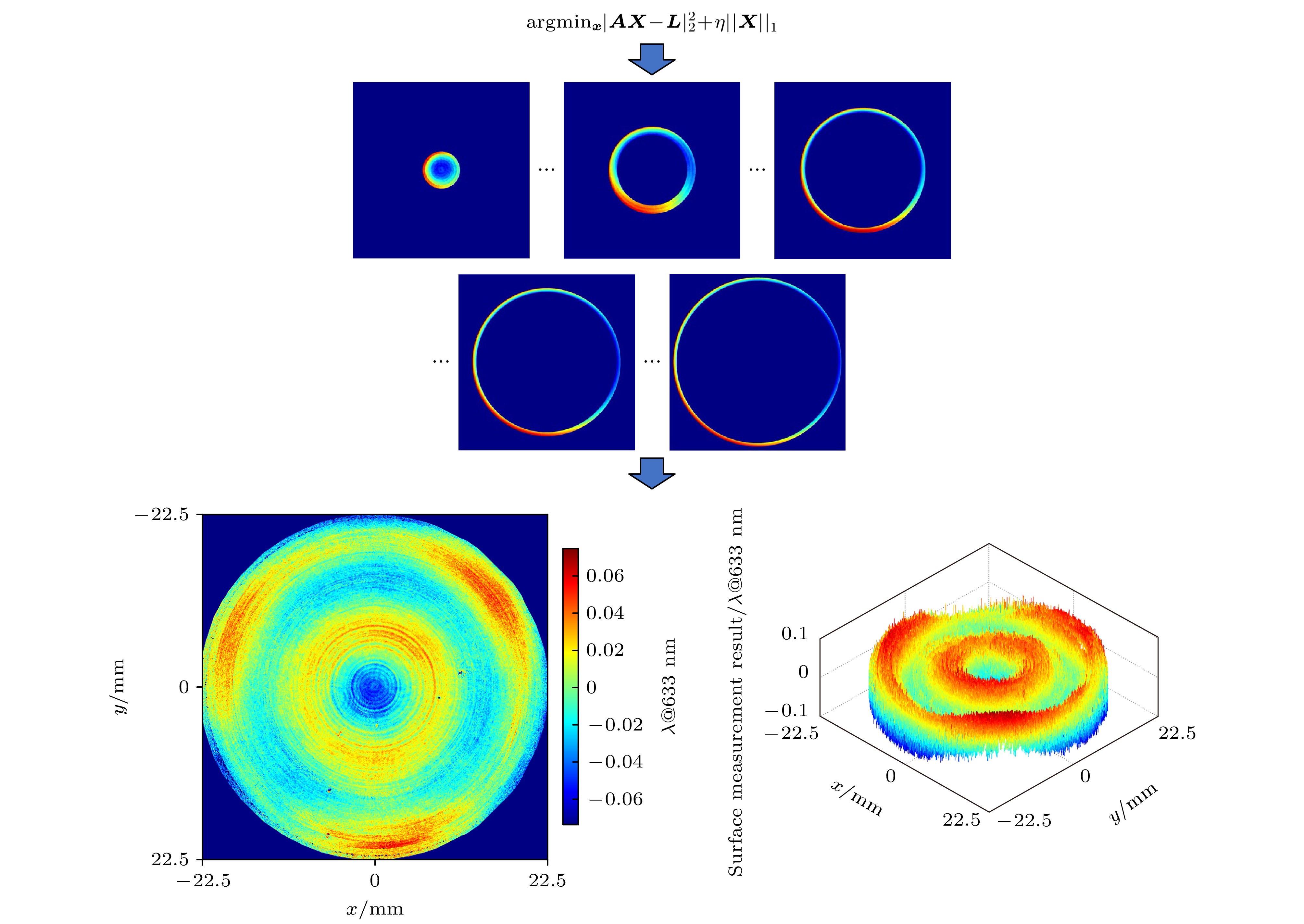
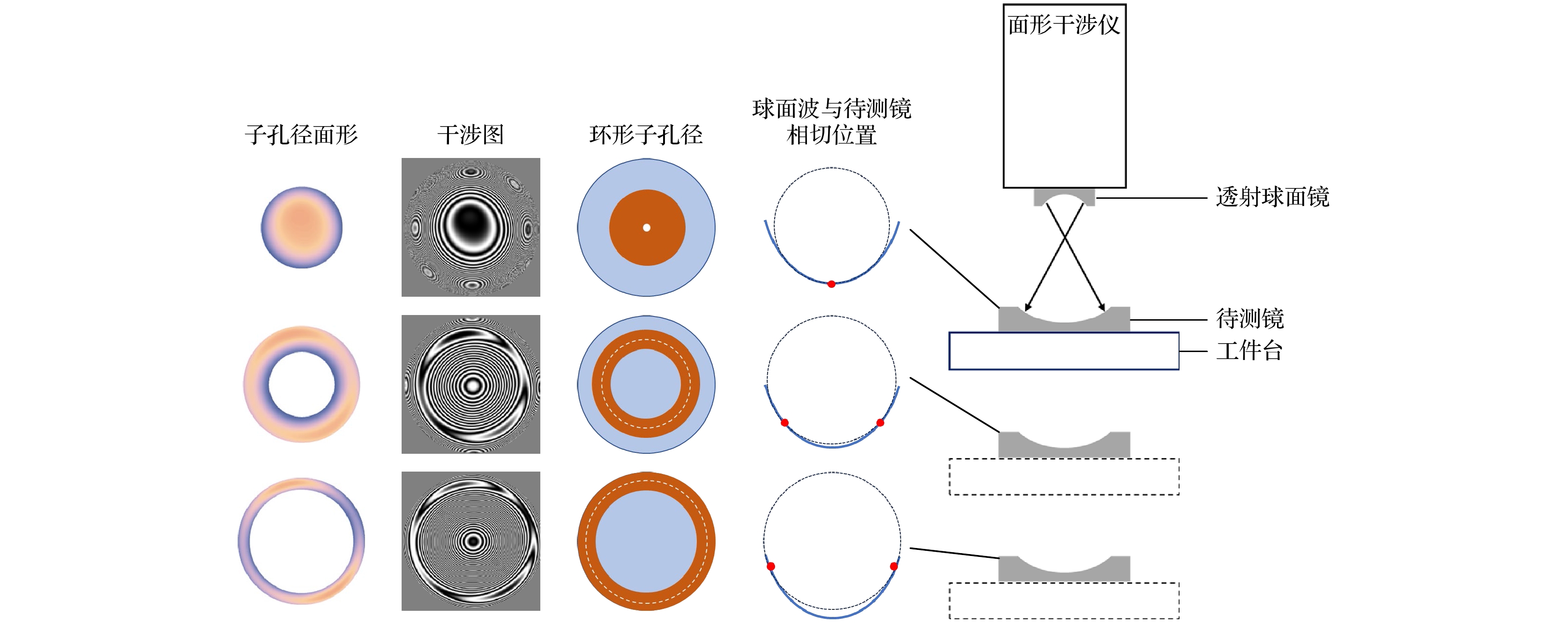
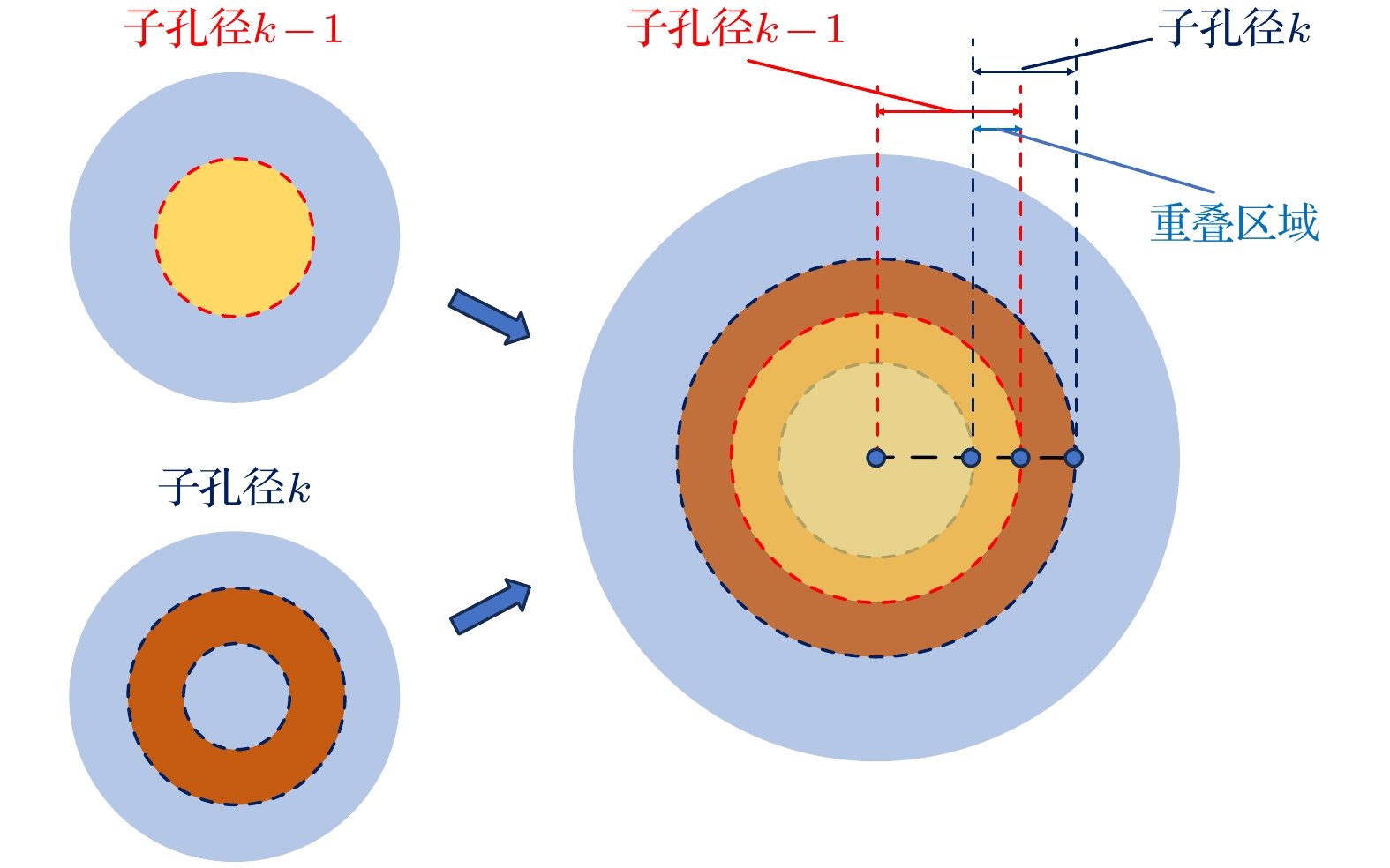
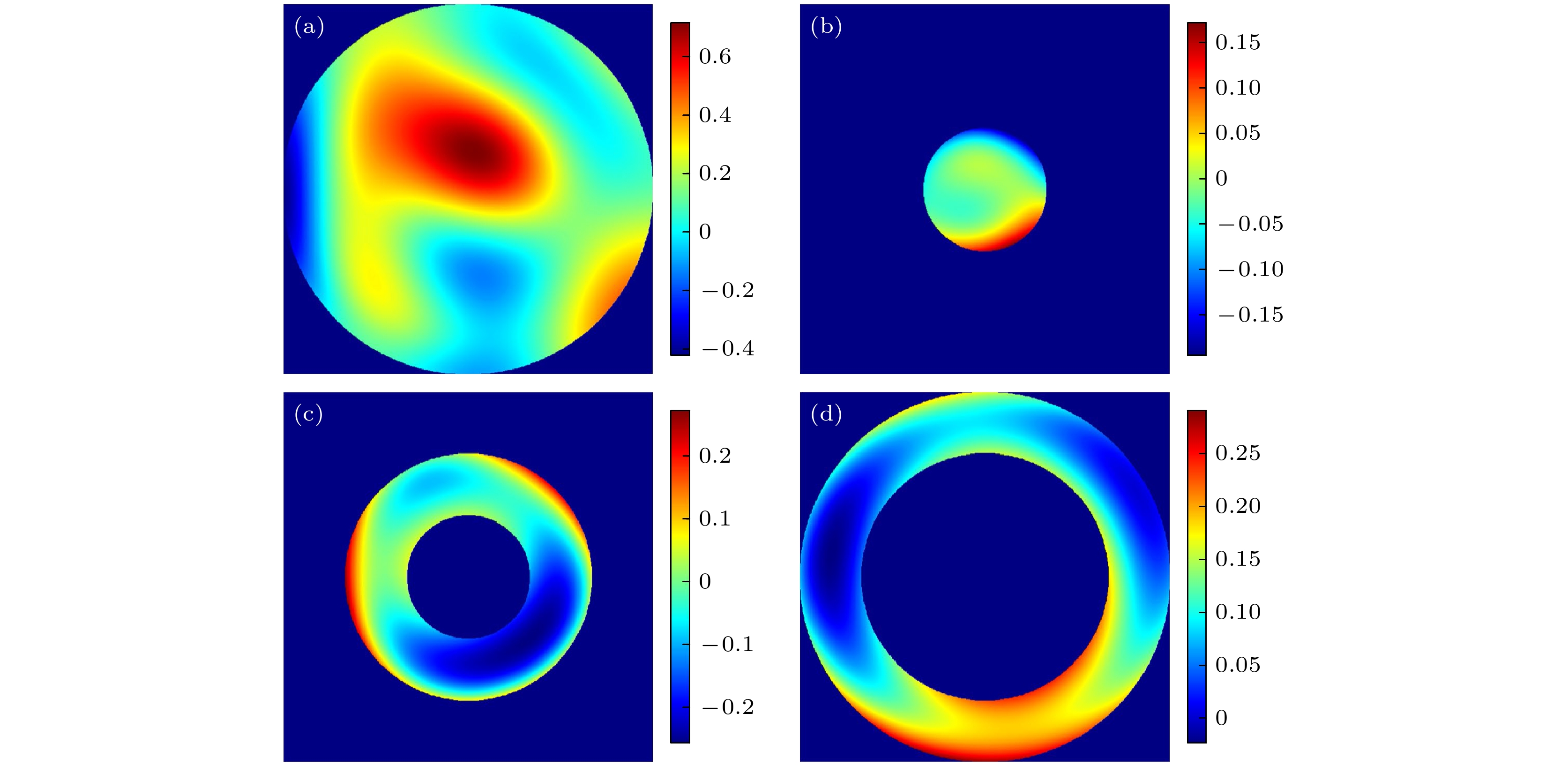
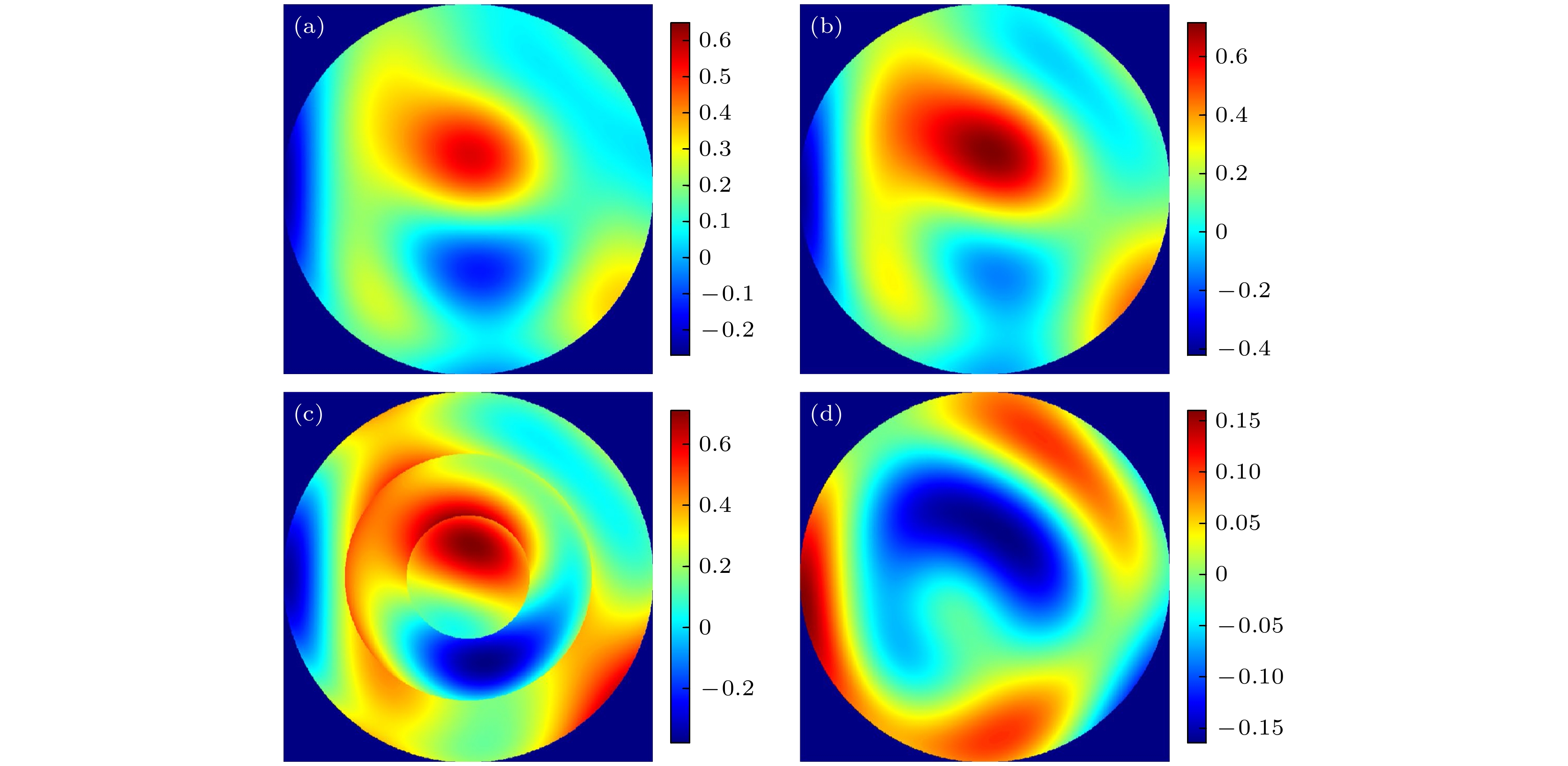
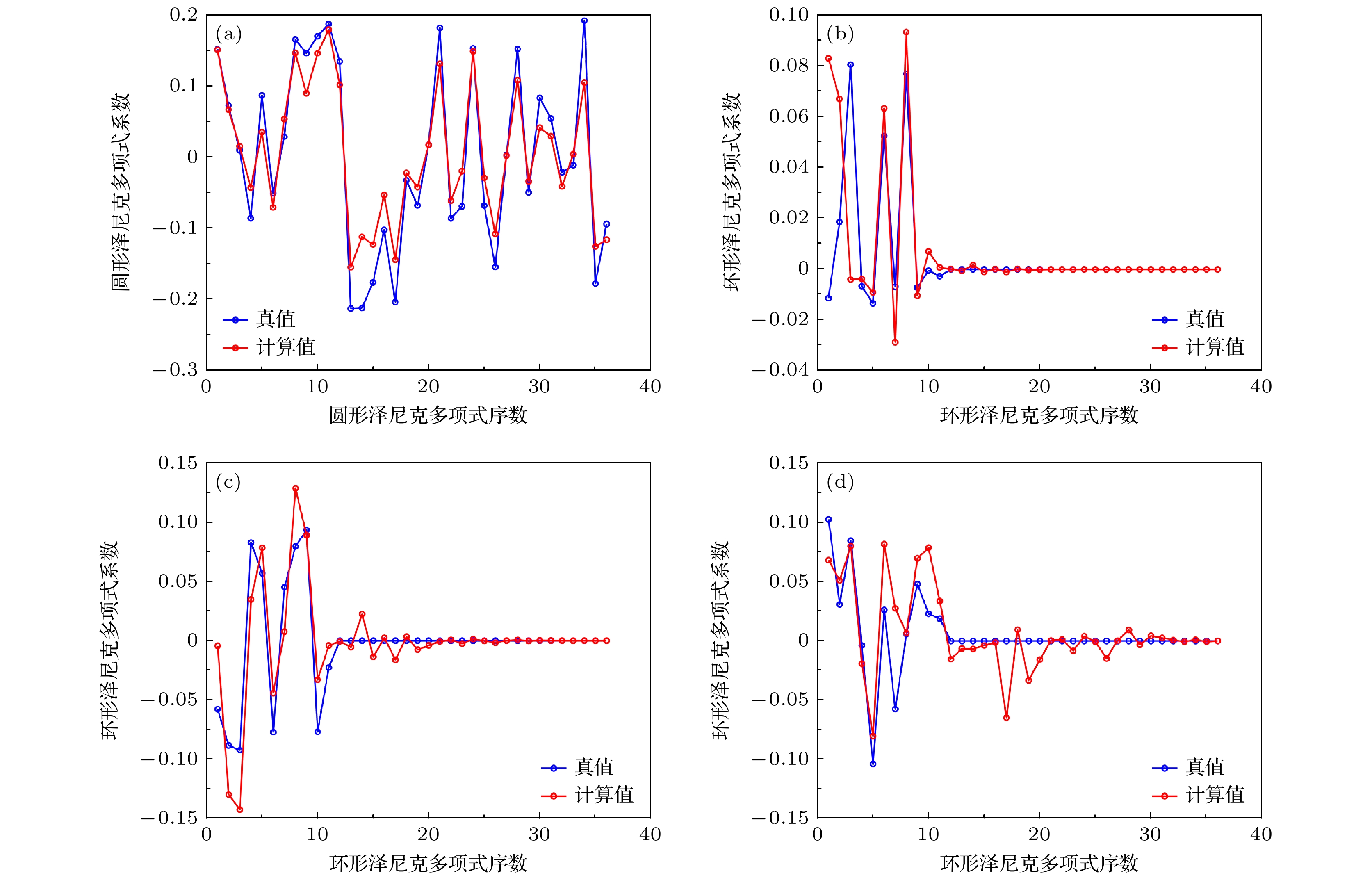
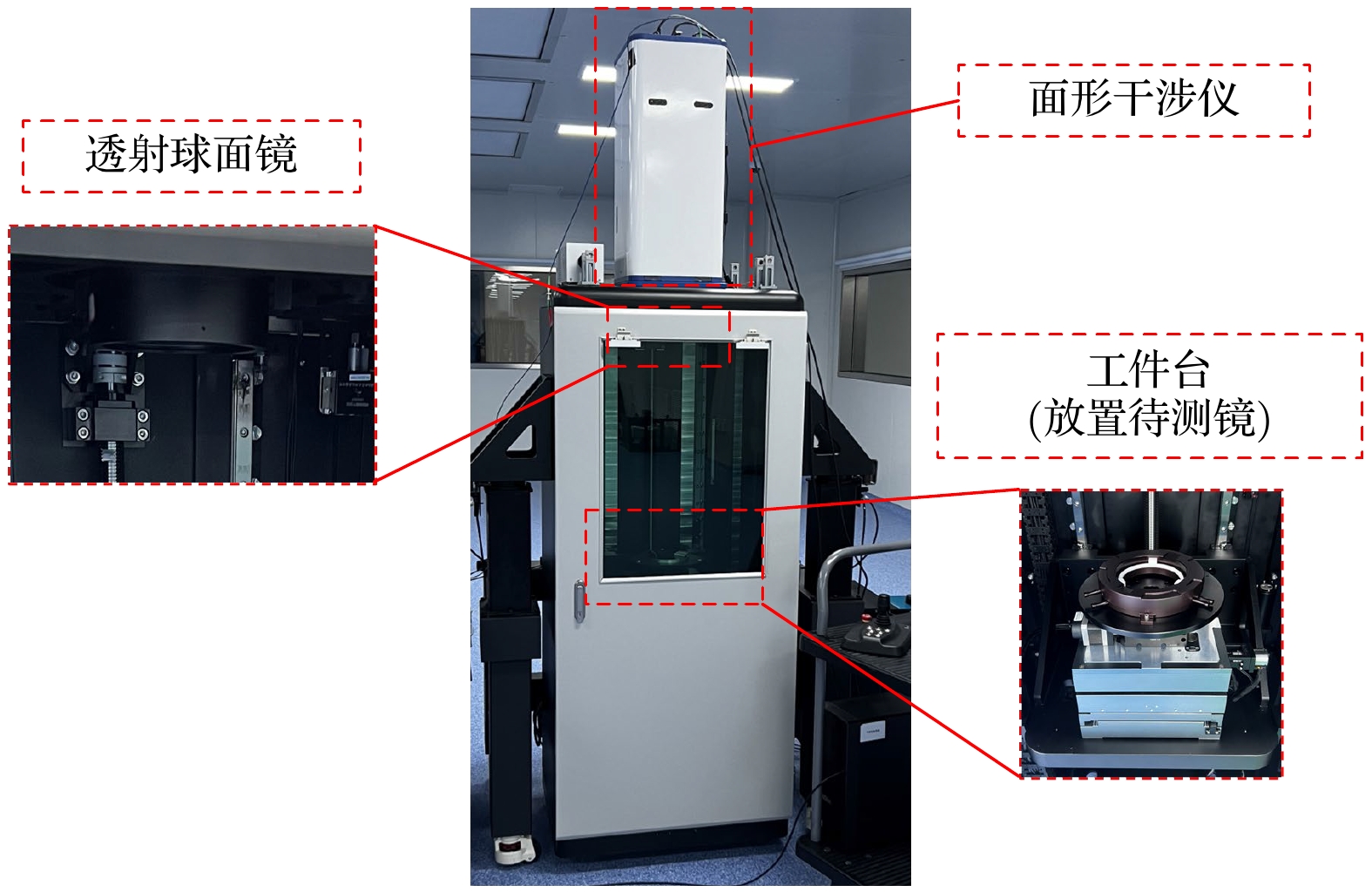
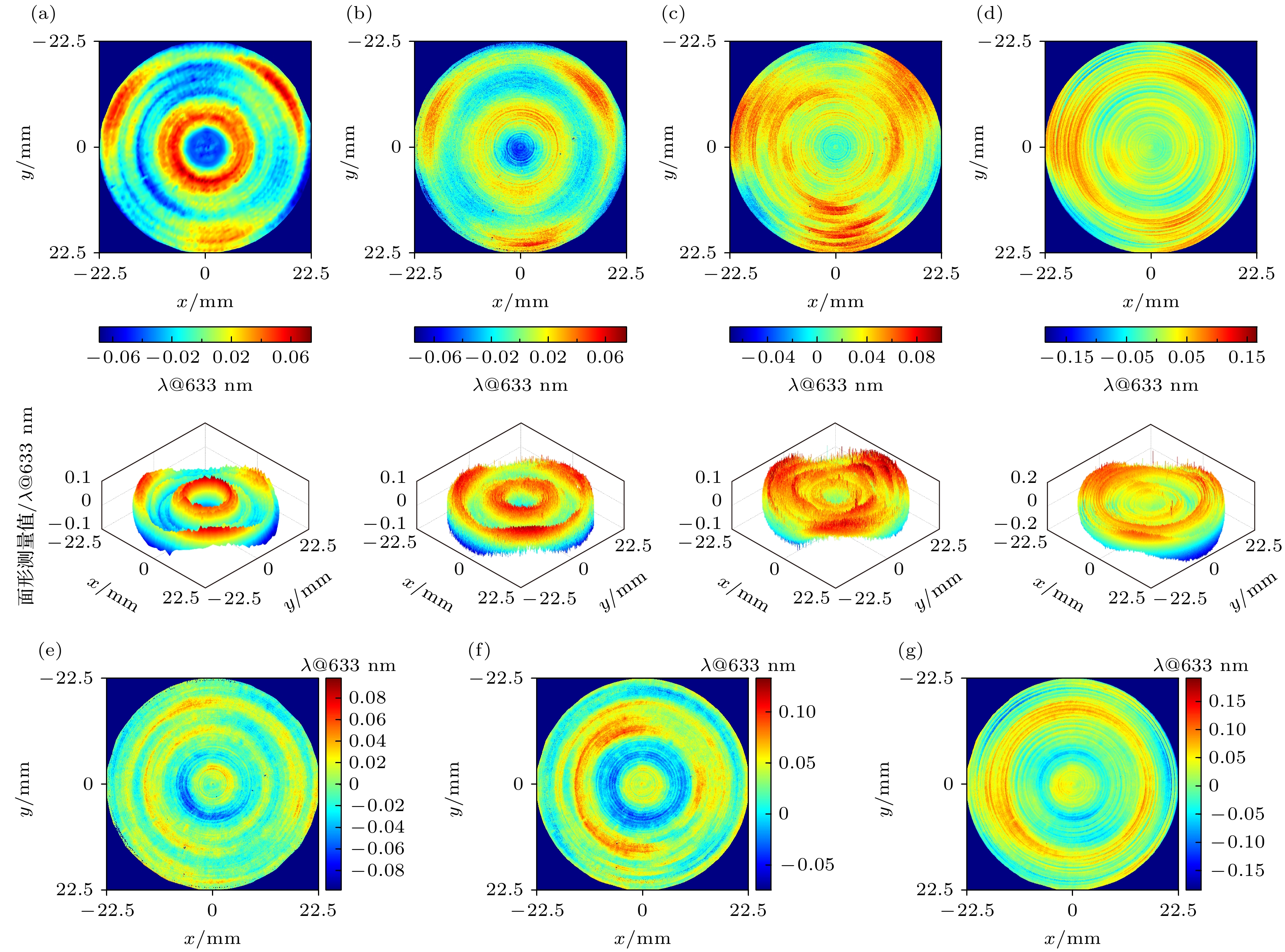
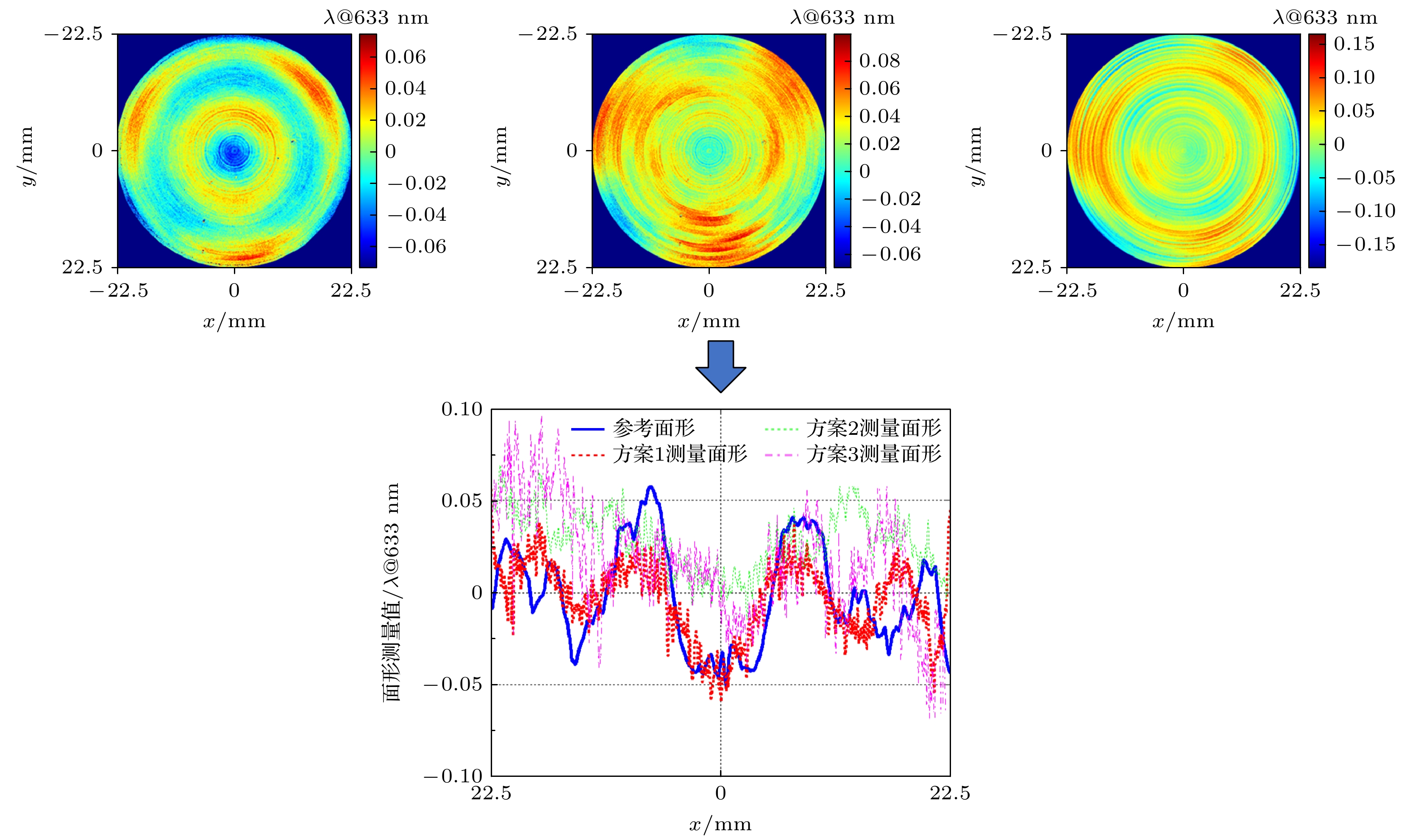
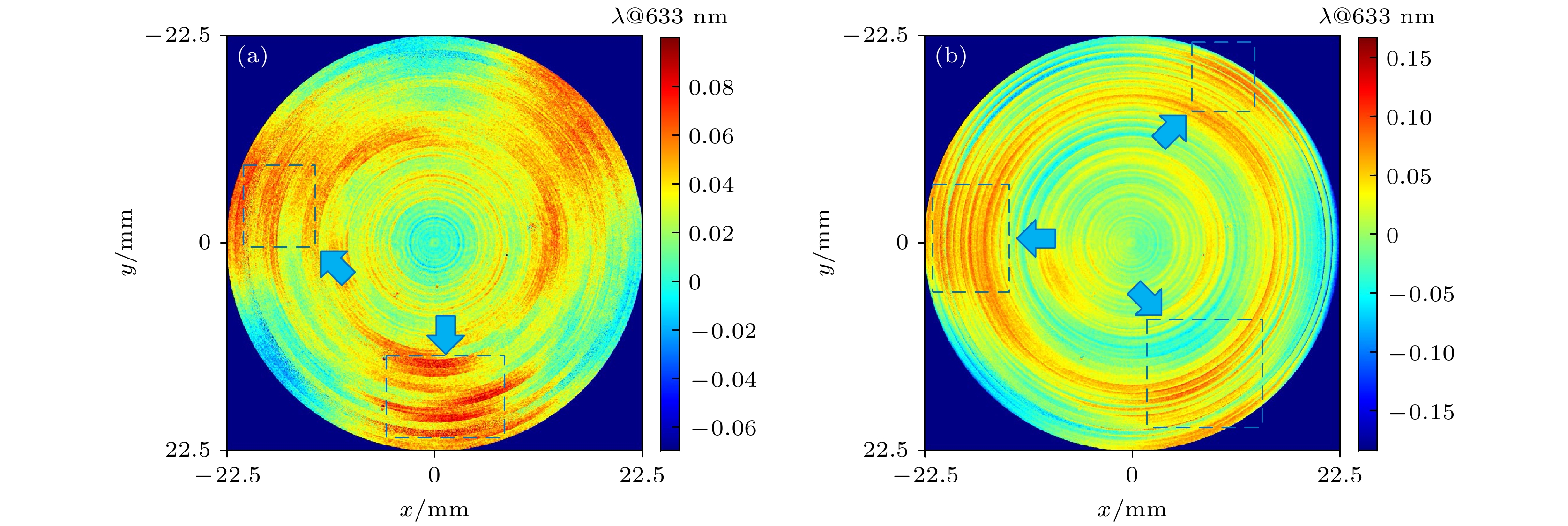
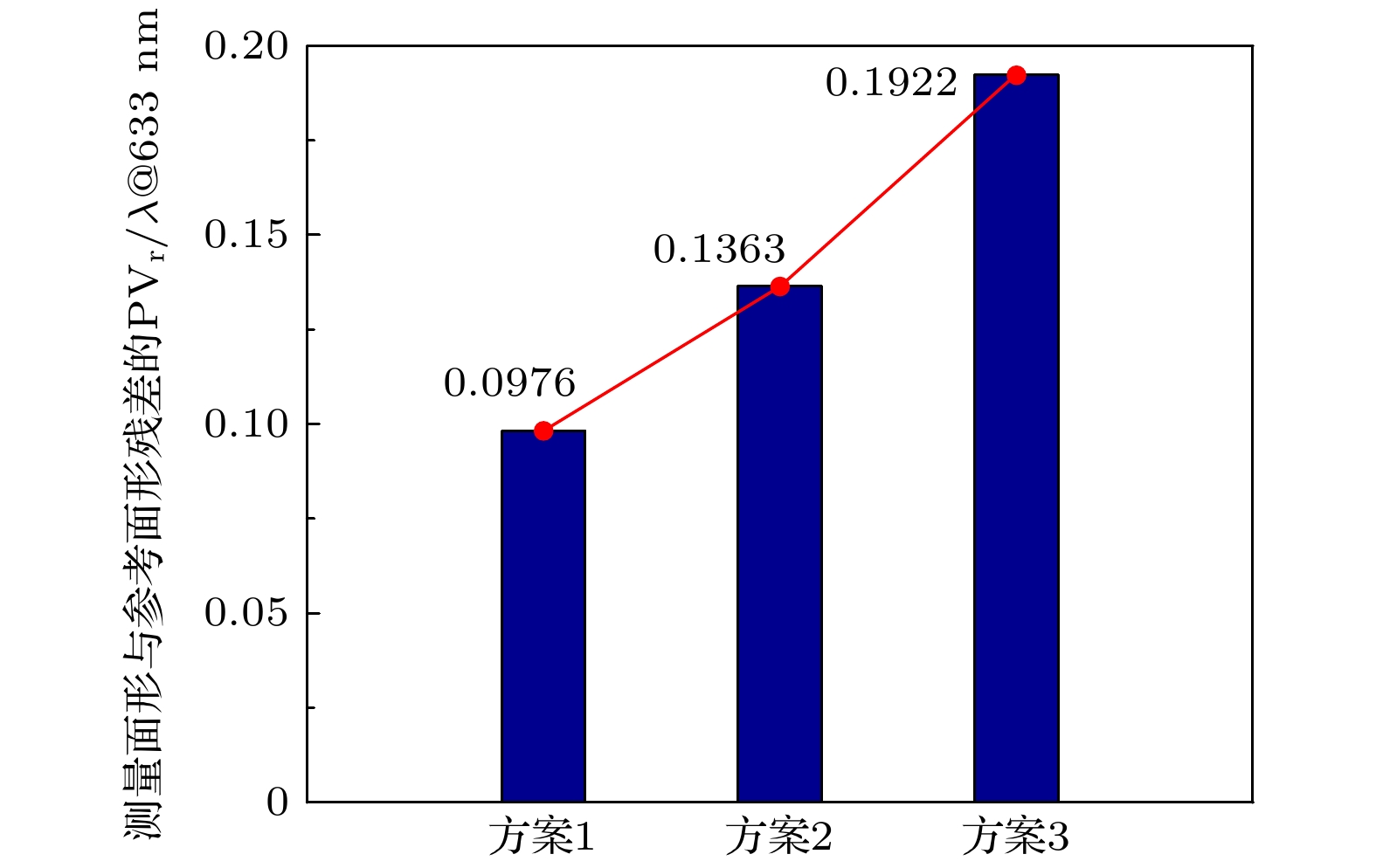
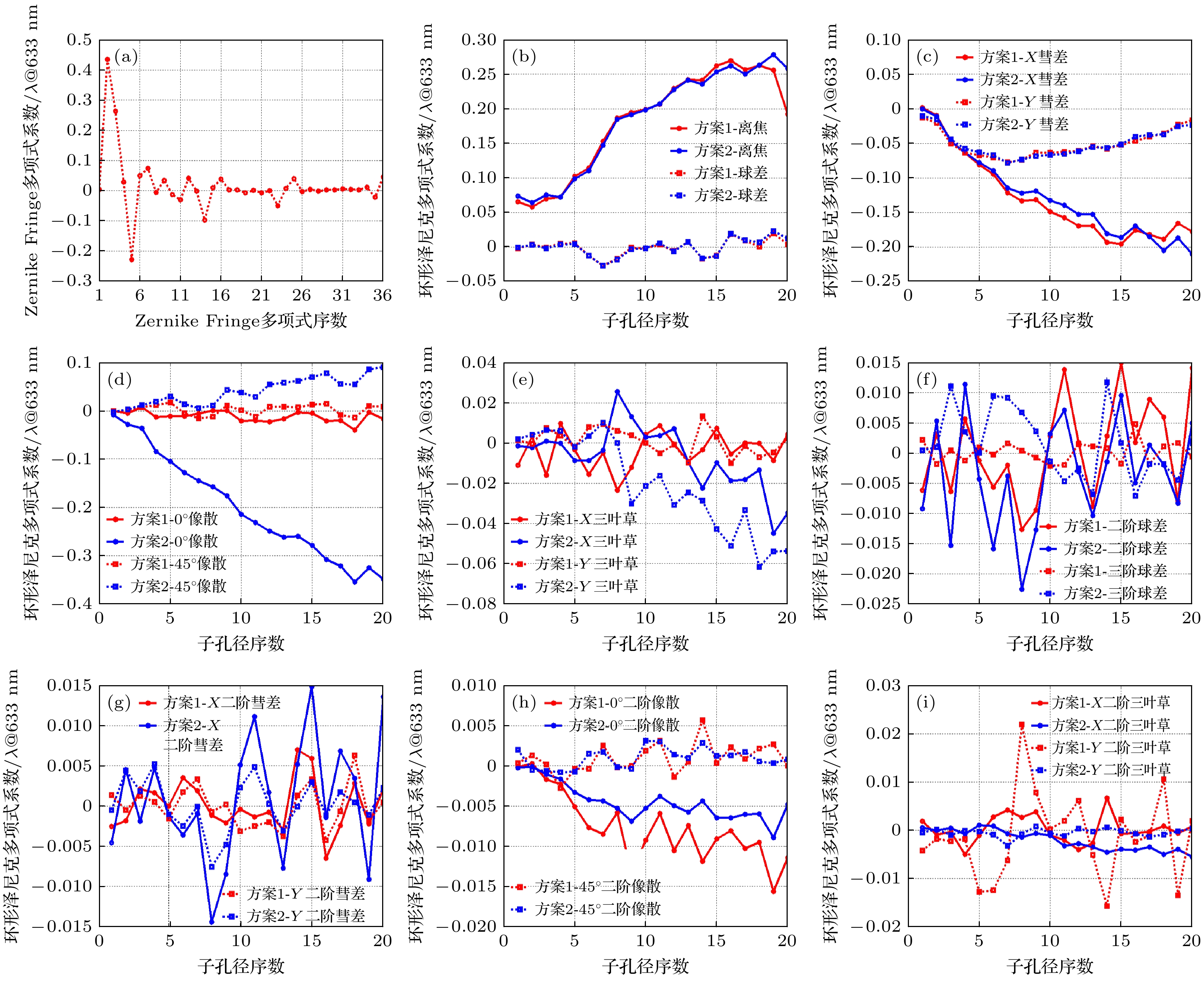
Aspheric optical elements are essential in high-end manufacturing and scientific research. As precision demands increase, the coupling of surface features and measurement errors during high-asphericity and high steepness element measurement based on annular subaperture stitching limits the development of high-precision measurement.The coupling of surface features and measurement errors refers to that for high-steepness aspheric element to be measured, the measurement errors caused by retrace errors correspond to higher-order aberration features, which are likely to be consistent with the surface features, and this coupling makes it impossible to eliminate measurement errors by subtracting Zernike terms during full-aperture surface stitching measurement, because this would lead to the incorrect subtraction of surface features. The traditional overlapping-region based subaperture stitching method encounters two major problems: the error of the first subaperture, which serves as the reference, cannot be decoupled, and the error accumulation caused by a large number of subapertures will seriously affect measurement accuracy, especially when measuring high-steepness aspheric element.To solve the error coupling problem, this work proposes an aspherical measurement error decoupling technology based on global optimal fitting of full-aperture surface shape features and local measurement errors. This method takes advantage of the continuity of the full-aperture surface shape features of the aspheric surface of all subapertures and the discontinuity of the measurement errors of each subaperture. The method uses full-aperture circular and subaperture annular Zernike polynomials to build a global optimization model, where the former represents surface features and the latter describes subaperture errors; in addition, an L1 regularization term is added. By integrating these polynomials to create a global optimization function and solving for Zernike coefficients, the full-aperture surface shape features and the measurement errors of each subaperture can be solved separately (corresponding to the coefficients of the Zernike polynomials), and error decoupling and enhanced accuracy can be achieved. Furthermore, processing errors can globally avoid error accumulation in the traditional method and reduce the number of subapertures for higher measurement efficiency.Simulation and experimental validations are demonstrated in this paper. In the simulation experiment, the full-aperture surface features of the aspheric surface to be measured and the measurement errors of each subaperture are generated separately by using Zernike polynomials and the method proposed in this paper. The results are shown below. The full-aperture surface shape features and the subaperture measurement errors are solved separately; the correct surface measurement results after measurement error decoupling are obtained; the calculated results are compared with the true values of the Zernike coefficients of the surface shape features and measurement errors used in the simulation to verify the accuracy. The simulation shows effective fitting of Zernike polynomial coefficients and error decoupling. In the experimental verification, an aspheric measurement system is built, and a high-steepness aspheric element is used as the measurement target (a convex aspheric surface, a rotationally symmetric quadratic surface with a diameter of 45 mm, a vertex curvature radius of 150 mm, a conic constant of –48, an asphericity of 63.2 μm, and a maximum asphericity gradient of 19.12 μm/mm). The method proposed in this work and the traditional methods are compared with each other, and a profilometer is used to obtain the measurement results as reference result. Experiments show that the error decoupling in measurement of high-asphericity and high steepness elements is achieved with the proposed method, and the PVr accuracy of measurement is 0.0976λ@633 nm, improved by nearly 30% compared with traditional methods.The proposed method provides a practical solution for high-precision measurement of high-asphericity and high steep components in solving the problem of measurement error coupling. Future research will further explore the application value of the proposed method in aspheric processing, especially in achieving performance optimization in various specific measurement scenarios.














 DownLoad:
