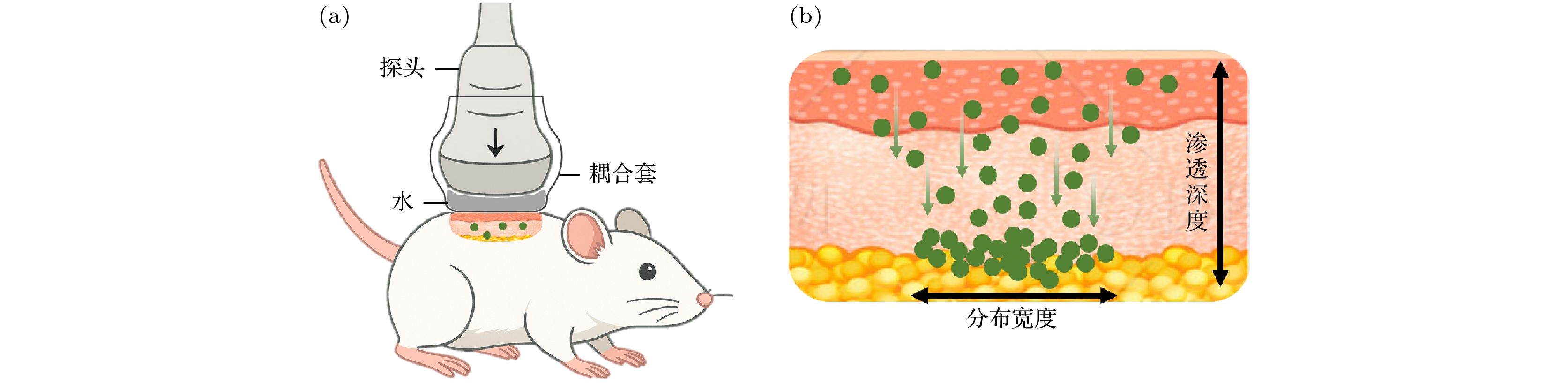
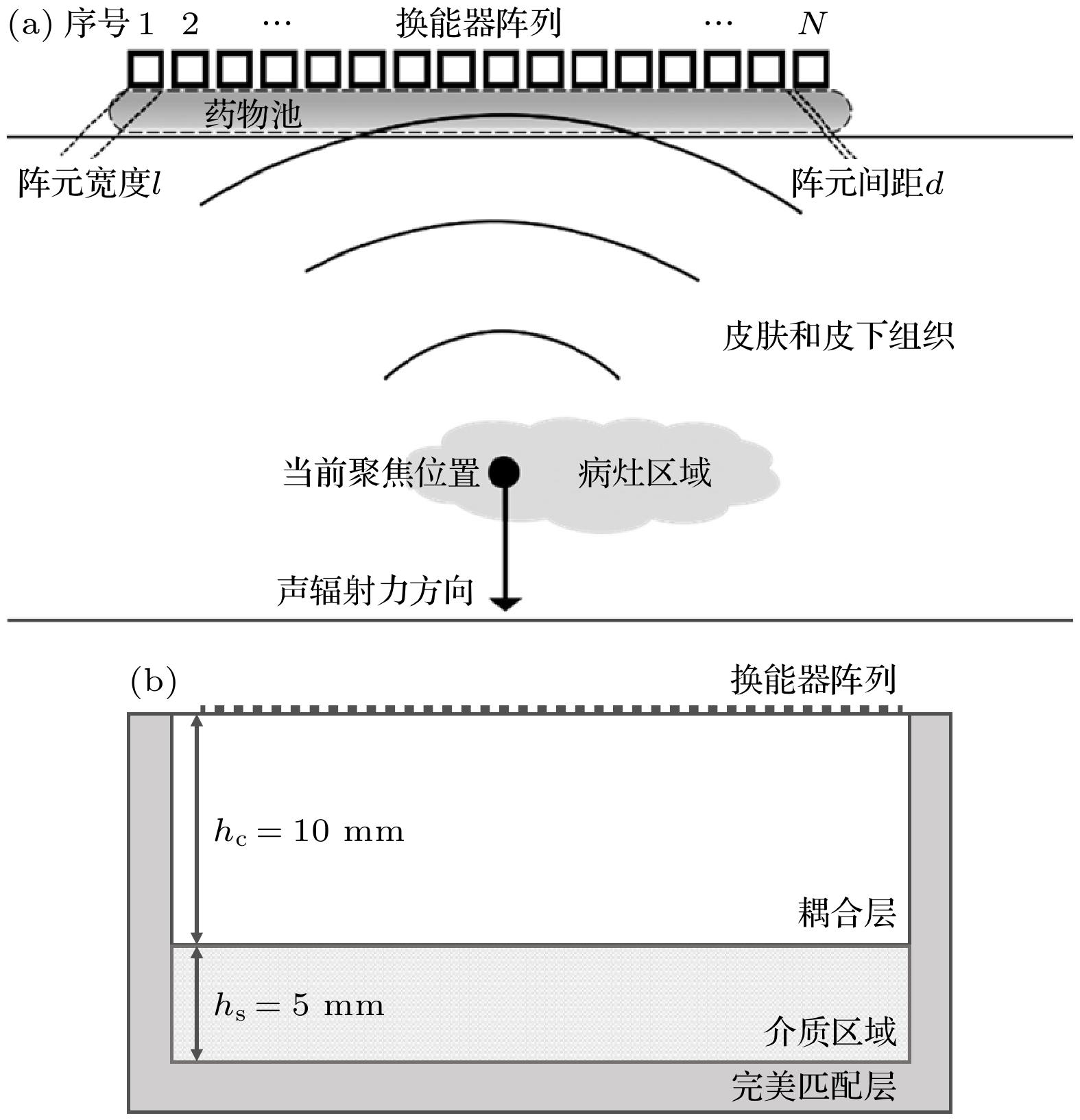
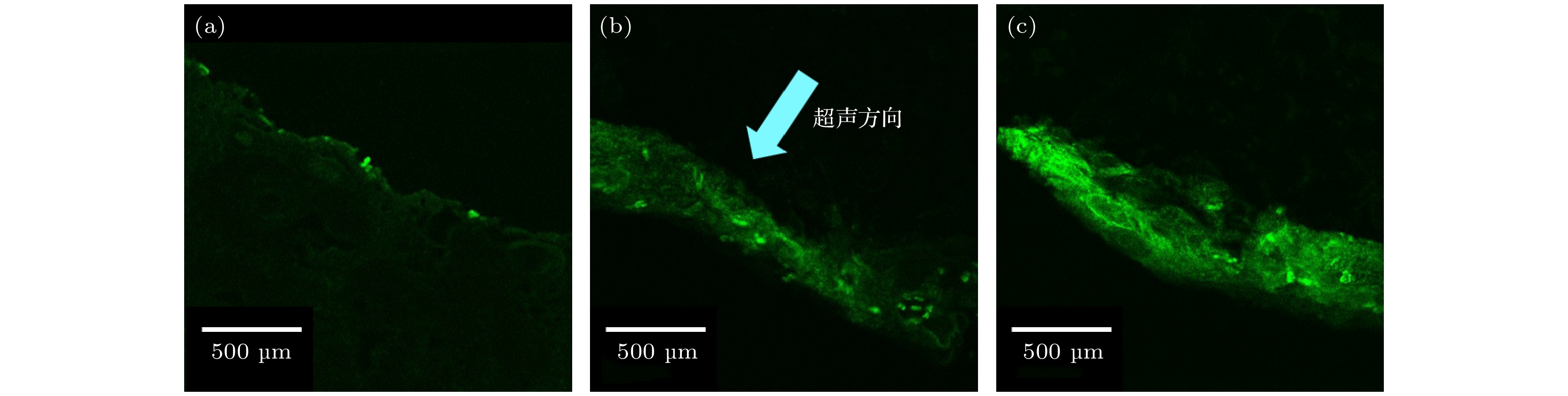
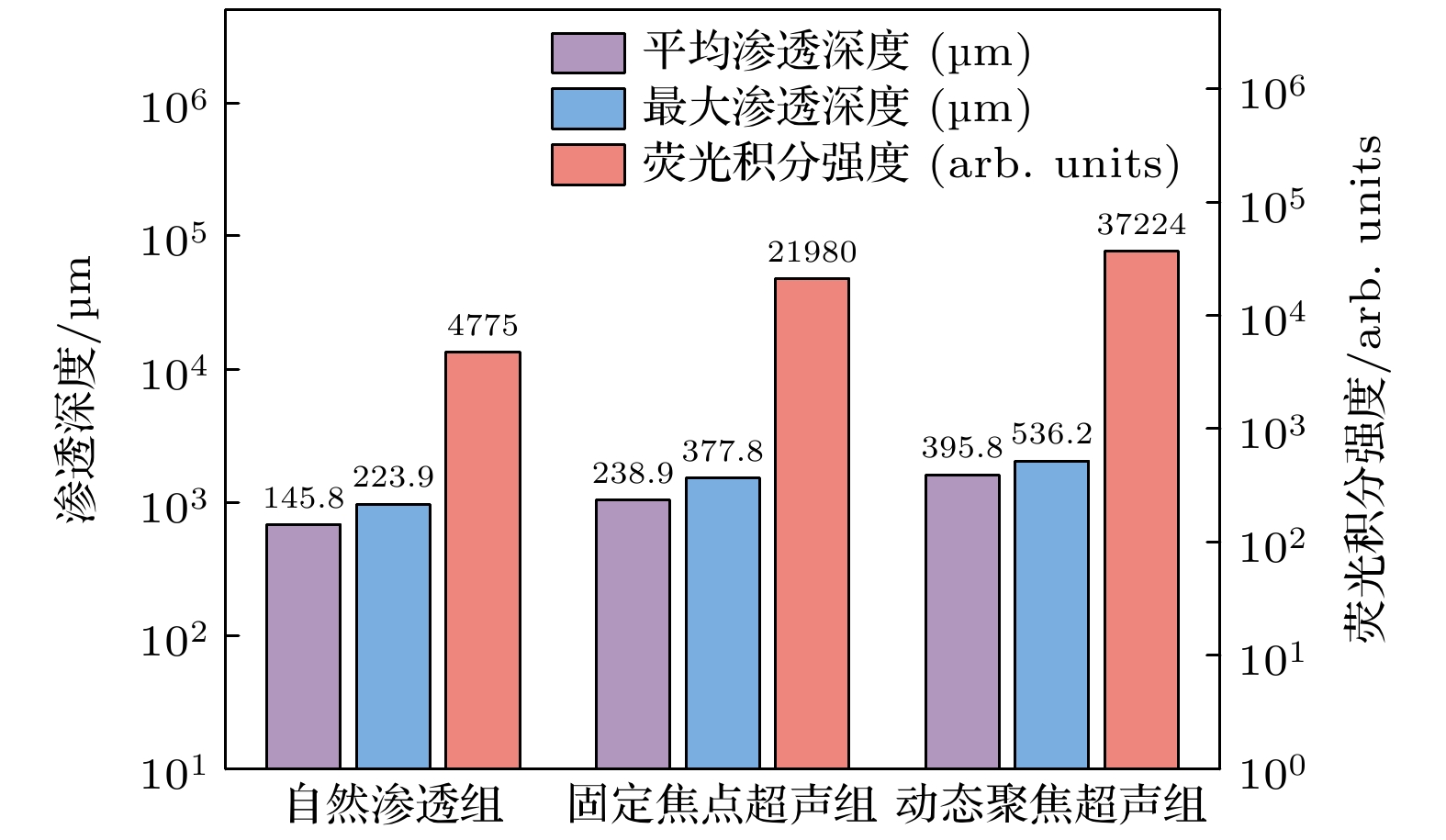
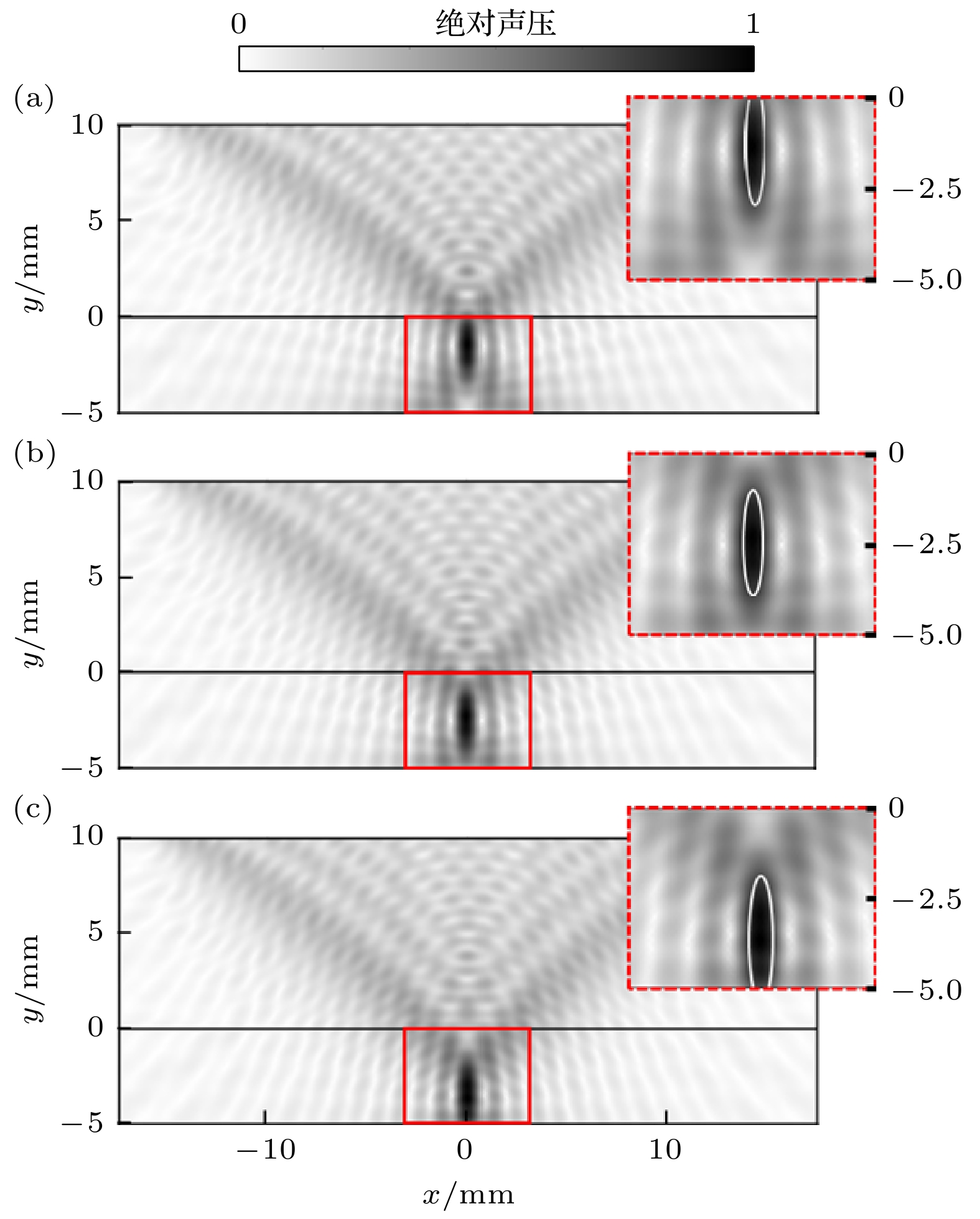
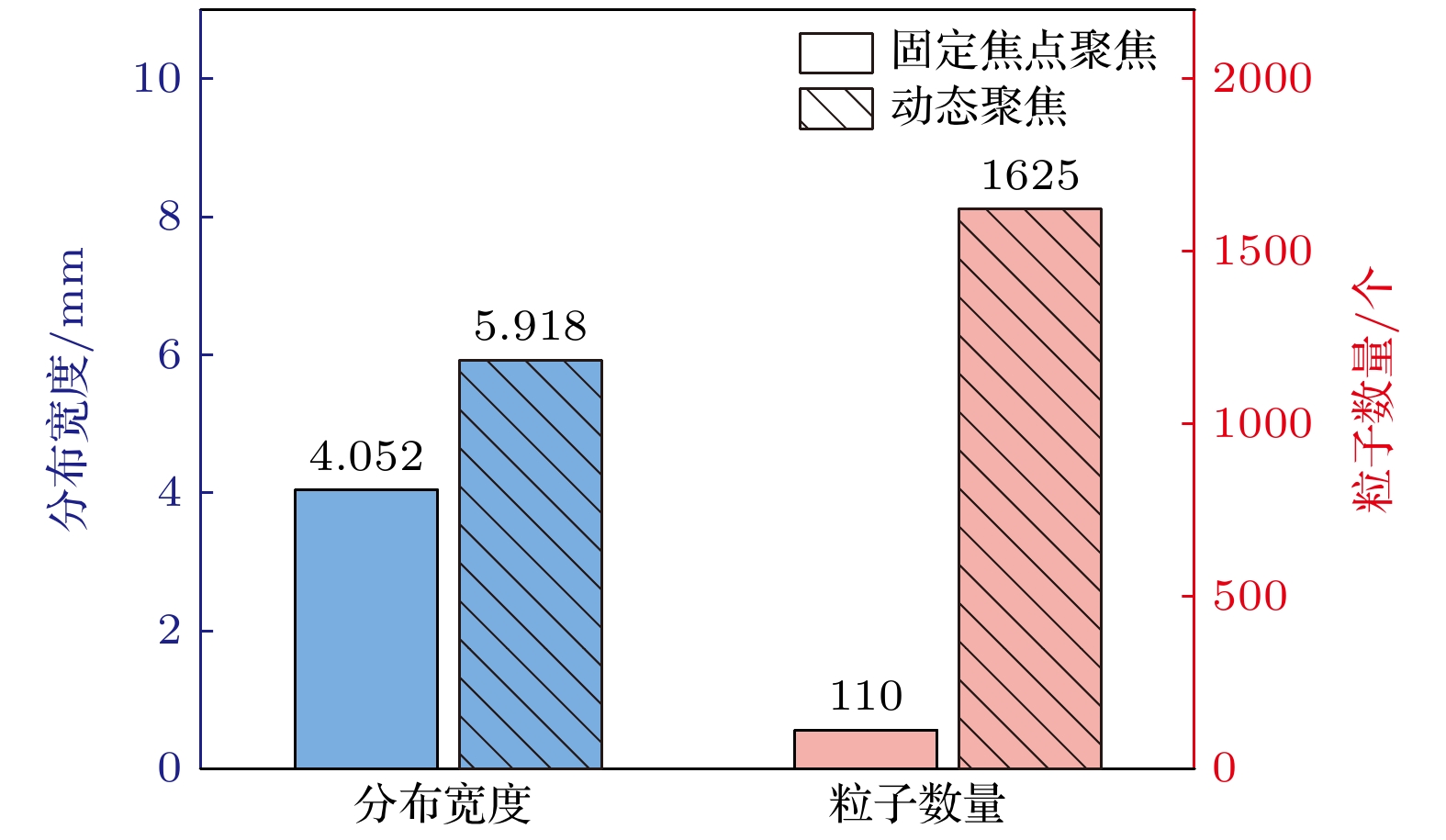
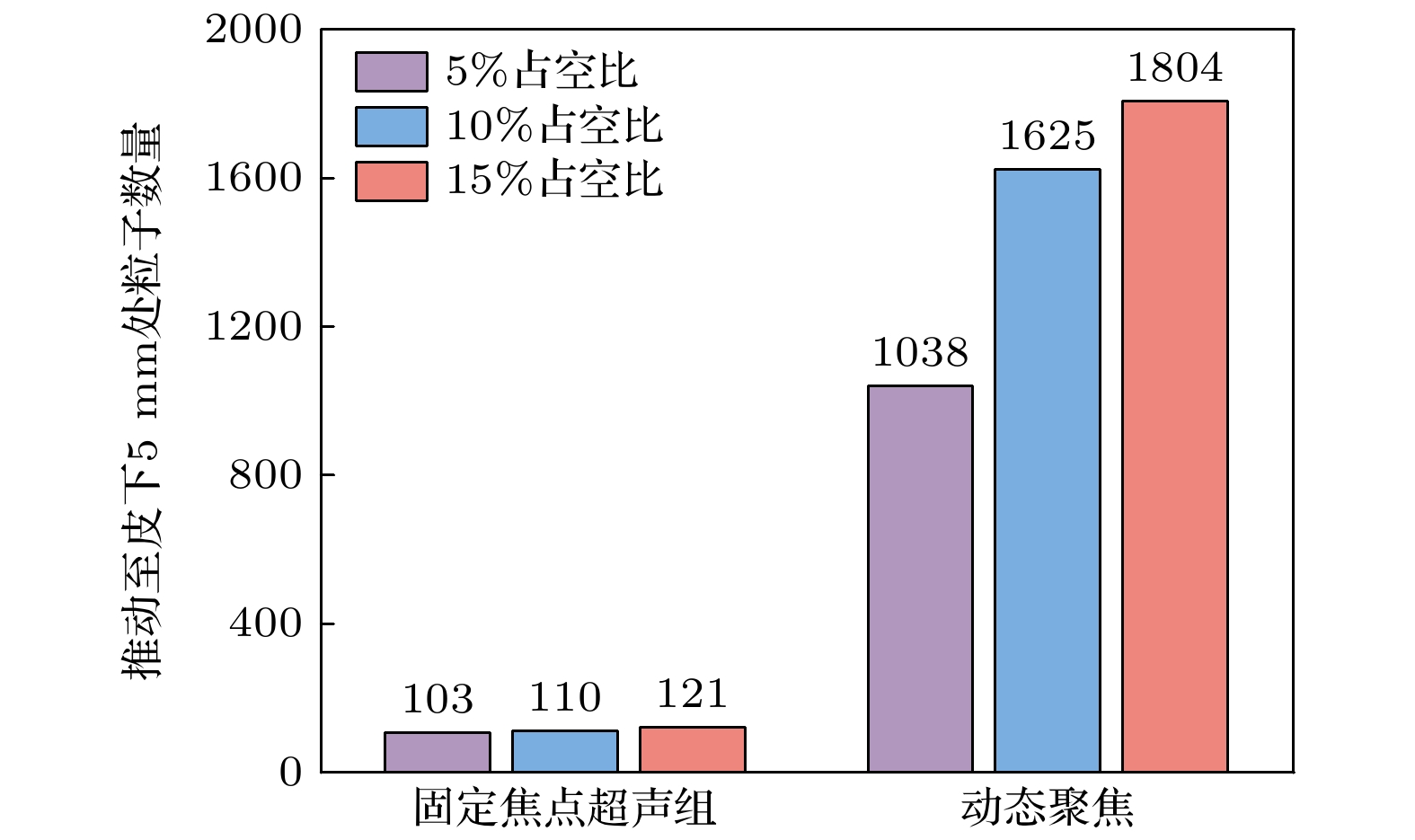
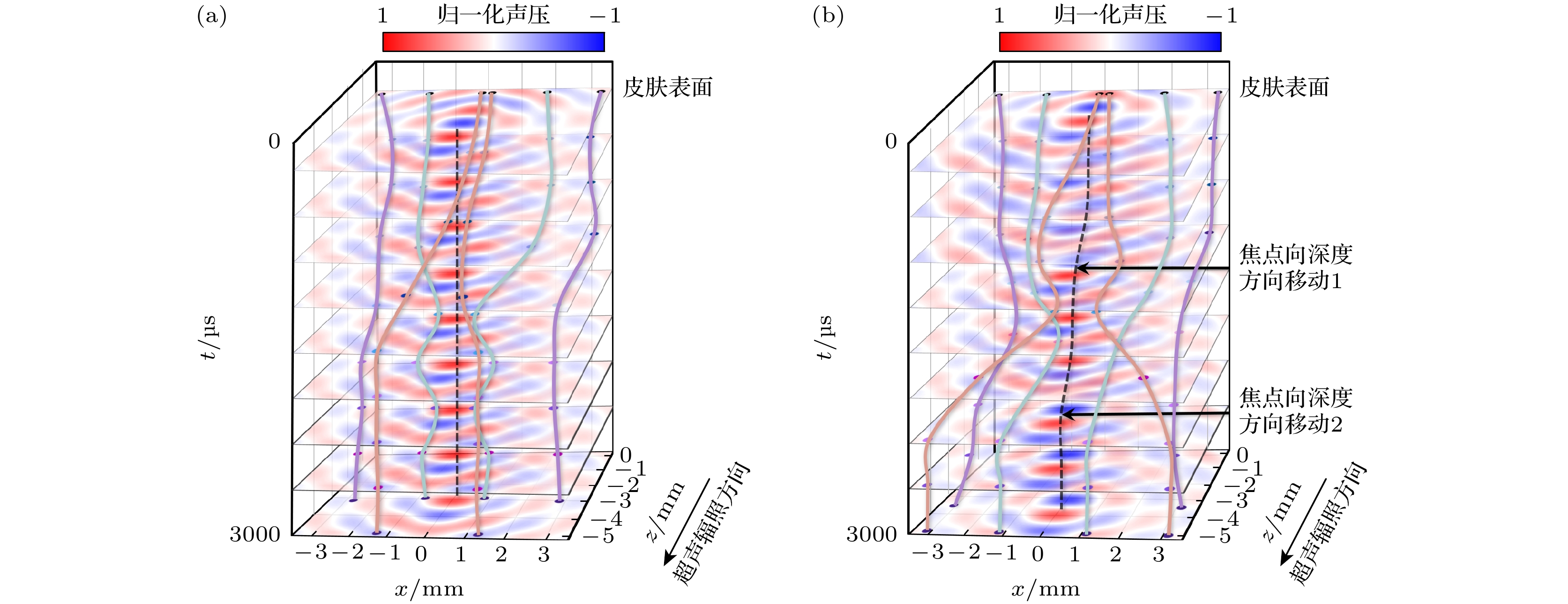
Ultrasound-assisted transdermal drug delivery (UTDD) is a promising non-invasive strategy to overcome the skin barrier. The traditional fixed-focus ultrasound approaches encounter the problems such as limited penetration depth, localized accumulation, and risk of thermal damage. To address these challenges, we propose a phased-array based dynamic focusing strategy, in which the acoustic focus is shifted sequentially along the depth direction. This approach aims to construct a continuous longitudinal acoustic radiation pathway that can sustain particle migration into deeper skin layers. In vivo experiments are conducted with FITC-labeled nanoparticles on rat dorsal skin under three conditions: natural permeation, fixed focus (~0.5 mm beneath the skin), and dynamic focusing (scanned from the surface to 1 mm). After 10-min ultrasound, fluorescence microscopy reveals that fixed focus enhances penetration compared with natural permeation, while dynamic focusing further improves delivery, increasing average depth by 65.7%, maximum depth by 41.2%, and fluorescence intensity by 69.3%. Dynamic focusing also produces a more uniform and continuous deposition band, which is unlike the localized accumulation seen with fixed focus. To elucidate the underlying mechanisms, a two-dimensional finite element model is established in COMSOL Multiphysics. The simulation results reveal that this “multi-focus relay” effect provides a continuous driving force pathway, enabling particles to follow the shifting focal positions. Trajectory analysis confirms that the number of particles reaching deeper layers (up to 5 mm) increases by nearly 14 times under dynamic focusing compared with that in the case of fixed focus, while the width of the lateral distribution extends by 46.1%. In conclusion, both experimental and simulation results demonstrate that phased-array dynamic focusing significantly enhances penetration depth, migration efficiency, and distribution uniformity of nanoparticles in UTDD. By constructing a continuous acoustic radiation pathway in the depth dimension, this approach improves delivery efficiency while mitigating local energy accumulation, providing a safer and more effective strategy for ultrasound-mediated transdermal therapy.














 DownLoad:
